



This one is for all ladies dealing with gut health issues. I see and understand you because I’ve been there, too.
As many of you know, this has been a big part of my adult life. The gut health issues I had were leaky gut, dysbiosis (imbalance of gut bacteria), fat malabsorption and low stomach acid.
For years, I thought it was normal to feel bloated after every meal. It wasn’t until I started researching, saw a naturopath for treatment and made big changes to my lifestyle that I finally saw improvement.
I’m 36 now and I’m still trying to improve and optimize my gut health, but here are some things that I wish somebody told me back when I started my gut health journey in my early 20’s!
In this blog post, I’ll share my experience dealing with gut-related issues. I will also share about bloating, acid reflux, some gut issues I experienced and tips that you can implement to improve your gut health!
WHAT IS GUT HEALTH?
Gut health is all about how well your digestive system works, from your stomach to your intestines. Good gut health is important for our overall well-being because it affects everything—how you digest food, absorb nutrients, and even your mood!
My own struggles with gut health began unexpectedly during a trip to the Philippines in 2008. That’s when I first developed a stomach ulcer. This started a series of problems for me, including severe bloating, frequent acid reflux, dysbiosis and leaky gut syndrome.
WHAT IS BLOATING?
You know that feeling when your stomach suddenly feels puffed up or too full, especially after a meal? That’s exactly what bloating is, which 75% of women experience including some other gut issues.
I’ve had my fair share of battles with bloating, and let me tell you, it’s not fun. It’s like having a balloon inside your belly that just won’t deflate. It can be uncomfortable, cause pain and make your clothes feel tight. It can also make your stomach look swollen, even though sometimes it’s just your digestive system being extra sensitive. And not to mention, the uncomfortable feeling of being gassy (yes I said it!).
RELATED POST: HOW TO GET RID OF BLOATING
WHAT CAUSES BLOATING?
There are a lot of reasons why we experience bloating varying from dietary and lifestyle causes. In my research, I found that the possible causes of bloating include the following:
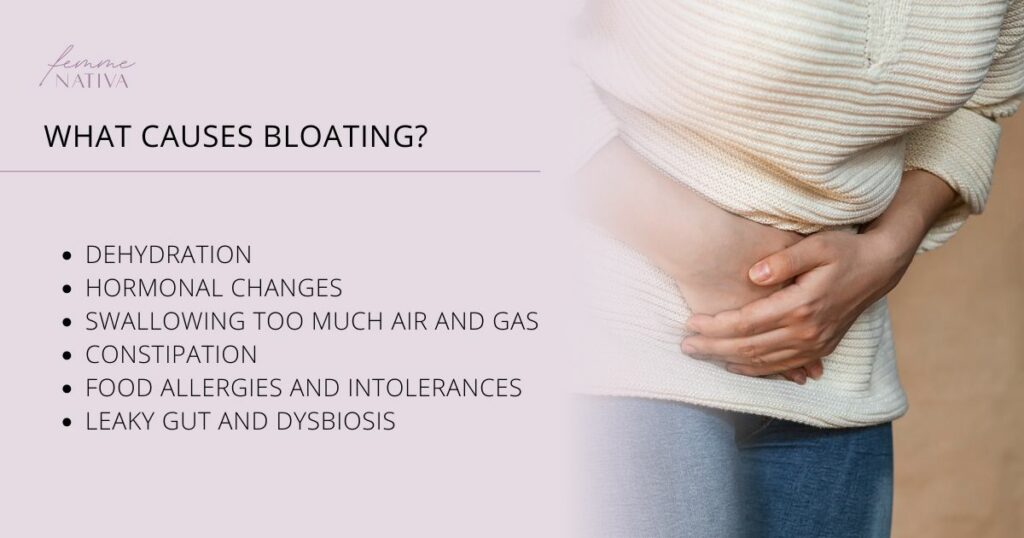
DEHYDRATION
You might be surprised to learn that many people blame a bloated stomach on drinking too much water. But here’s the twist—it’s often the opposite! Dehydration is usually the real culprit.
When you don’t drink enough water, your body holds onto every drop it gets, which can leave you feeling sluggish and puffy. But when you drink plenty of water, your body can flush out the excess through urination, helping you feel more balanced and less swollen. So, staying hydrated is one of the things you can do to avoid bloating.
HORMONAL CHANGES
Hormones can also cause bloating. Many women, including myself, have dealt with bloating from birth control pills, periods, and other hormone-related issues.
It’s usual to feel a bit bloated during your period or right before it. This is because when we are on our period, our body tends to hold onto extra water and produce more gas.
I unfortunately experienced different types of hormone imbalance and I had to learn how to deal with them. I’ve compiled my top 5 tips for balanced hormones and shared it on my Instagram. You can read them by clicking the post below. :)
SWALLOWING TOO MUCH AIR AND GAS
Swallowing air is a major cause of bloating, doctor calls this aerophagia. Even though we don’t intentionally swallow air, it happens when we talk, chew gum, eat, or even when we’re hunched over our meals. Eating too quickly can also make us swallow air without realizing it.
Plus, some of our favourite foods and drinks come with extra air and gas. The bubbles in soda, champagne, and other fizzy drinks are packed with gas that can fill up our digestive system. Once the gas reaches our intestines, it takes time for the body to get rid of it.
Try switching to healthier alternatives that don’t add extra air to your system. Personally, I enjoy smoothies made with fresh fruits, vegetables, and a splash of almond milk. They’re delicious, nutritious, and won’t leave you feeling bloated :)
CONSTIPATION
Ever noticed how constipation can leave you feeling uncomfortably bloated? When things aren’t moving smoothly in your digestive system, waste and gas can build up, causing your belly to swell.
FOOD ALLERGIES AND INTOLERANCES
If you have food intolerances or allergies, your body might not digest those foods properly. This can lead to inflammation in your gut, causing gas and bloating. Fructose, lactose, eggs, and gluten are common food allergies and intolerances.
LEAKY GUT AND DYSBIOSIS
Having leaky gut and/or dysbiosis are one of the main causes of bloating. Both of these are explained a little further below to please keep reading :)
HOW TO FIX BLOATING?
There is no problem we can’t fix, bloating included. Over the years, I’ve found some tricks that helped me deal with this uncomfortable balloon feeling in my belly. These are the following:
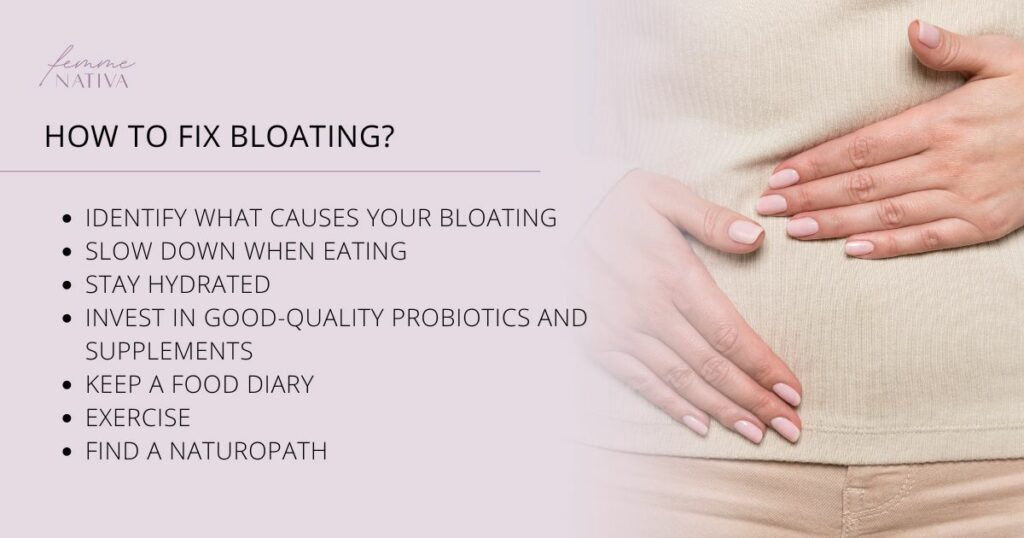
IDENTIFY WHAT CAUSES YOUR BLOATING
I used to suffer from severe bloating and had no clue what was causing it. It wasn’t until I discovered I had food intolerances, leaky gut and dysbiosis that I finally found relief.
To prevent bloating, pinpointing the cause is key. As I’ve mentioned, bloating can be triggered by a variety of factors including food intolerances, dehydration, hormonal fluctuations, and menstrual cycles. Understanding these triggers has been essential in managing bloating effectively.
FIND A NATUROPATH AND DO A GI MAP TEST
The most important thing I would recommend is to find a good naturopath. Working with a naturopath has been instrumental in my journey. They took the time to understand my unique symptoms and health history, providing personalized guidance that traditional medicine hadn’t offered.
I wish I did this right away when I started having gut issues – it would’ve saved me so much time and trouble!
Once you find a good naturopath, get a GI Map test done – this is a comprehensive stool test that tells you everything that is happening in your gut.
Through natural remedies, dietary adjustments, and lifestyle changes tailored to my needs, I’ve been able to identify and address root causes such as food sensitivities and digestive issues.
INVEST IN GOOD-QUALITY PROBIOTICS AND SUPPLEMENTS
Adding a good quality probiotic to your routine can help balance your gut bacteria. I started taking a daily probiotic supplement, and it made a noticeable difference in reducing my bloating.
Natural supplements like collagen, digestive enzymes, L glutamine, HCI with betaine, and slippery elm also helped me manage bloating.
SLOW DOWN WHEN EATING
This one is pretty easy, but most of the time is overlooked. Be sure to chew your food thoroughly and take your time with meals. This helps minimize the air you swallow and supports better digestion. In my case, I’ve made a habit of setting aside at least 20 minutes for each meal, focusing on eating mindfully.
STAY HYDRATED
Drinking plenty of water helps keep things moving in your digestive system. I recommend drinking at least 2 liters of water daily. If you exercise, you should be drinking even more! Plus, if you consume a lot of alcohol or caffeine, consider cutting back because those can lead to dehydration.
RELATED POST: SIGNS THAT YOU ARE DEHYDRATED
KEEP A FOOD DIARY
Keep a food diary to pinpoint what foods cause your bloating. Once identified, try eliminating them from your diet to see if it helps :)
EXERCISE
Getting active helps stimulate digestion and keeps things moving smoothly in my gut. Some of the workouts and movements that I love to recommend are glute bridge twist, cat-cow pose, camel pose stretch, standing forward bend, and spinal twist. If you’re not sure how to do these moves, check out the Instagram post I shared below:
WHAT IS ACID REFLUX?
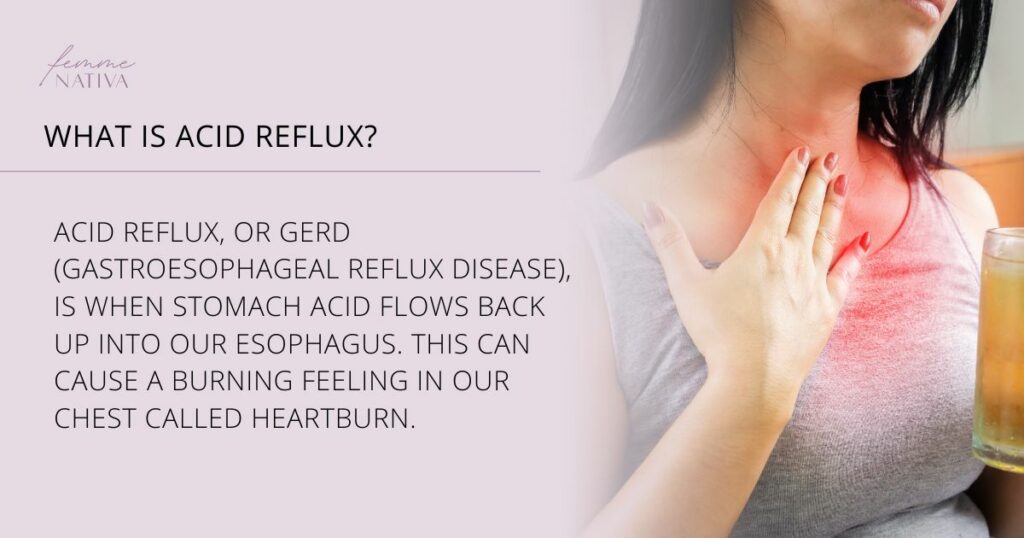
Acid reflux, also known as GERD (Gastroesophageal Reflux Disease), happens when stomach acid flows back up into the esophagus. This can make our chest feel like it’s burning, which we call heartburn. It’s often triggered by the foods we eat, our lifestyle, or certain health conditions.
Things like spicy foods, fatty foods, caffeine, and alcohol are common triggers. Symptoms can include heartburn, a sour taste in our mouth, and difficulty swallowing. It’s all about knowing what sets it off and finding ways to manage it that work for you.
NATURAL REMEDY FOR ACID REFLUX
Acid reflux is another common issue that can make life miserable. It happens when stomach acid flows back up into the esophagus, causing a burning sensation in your chest. I used to think popping antacids was the only way to deal with it, but I found some natural remedies that worked even better.
APPLE CIDER VINEGAR
Mix a tablespoon of it in a glass of water before meals. It might seem strange, but it can actually help balance your stomach acid and stimulate your digestive enzymes so you can digest food better. At first, I found it a bit challenging, but adding a touch of honey made it easier to enjoy.
RELATED POST: CAN APPLE CIDER VINEGAR HELP WITH WEIGHT LOSS?
GINGER TEA
Ginger is known for its anti-inflammatory properties and can help soothe the digestive tract. Try sipping ginger tea throughout the day.
ALOE VERA JUICE
Aloe vera can help reduce inflammation in the stomach and esophagus. Look for pure aloe vera juice and drink a small amount before meals. This was a lifesaver during particularly bad flare-ups.
AVOID TRIGGER FOODS
Avoiding spicy foods, caffeine, chocolate, and fatty foods can help ease digestive discomfort. Cutting down on these in your diet has been a game-changer for me. Although reducing my chocolate intake was tough, swapping it for healthier options made a big difference.
If you’re craving chocolate, try my Choc Avocado Slice recipe, I’ve shared it on Instagram and linked it for you below:
EAT IN SMALL PORTIONS
Eating smaller meals really makes a difference when it comes to preventing stomach acid from creeping back up. By having smaller portions more often, you not only ease the pressure on your stomach but also reduce the chances of getting heartburn and keep your calorie intake in check.
AVOID LYING DOWN AFTER EATING
Another tip is to avoid lying down right after eating. That can really cause heartburn and leave you feeling uncomfortable. If nighttime heartburn is a problem, try propping yourself up with some extra pillows when you sleep. It can help keep those acids where they belong—down in your stomach!
GUT DYSBIOSIS AND LEAKY GUT SYNDROME
Looking back, my poor gut health started at a very young age. These issues caused me a lot of pain and I hope I can help you by sharing my experience.
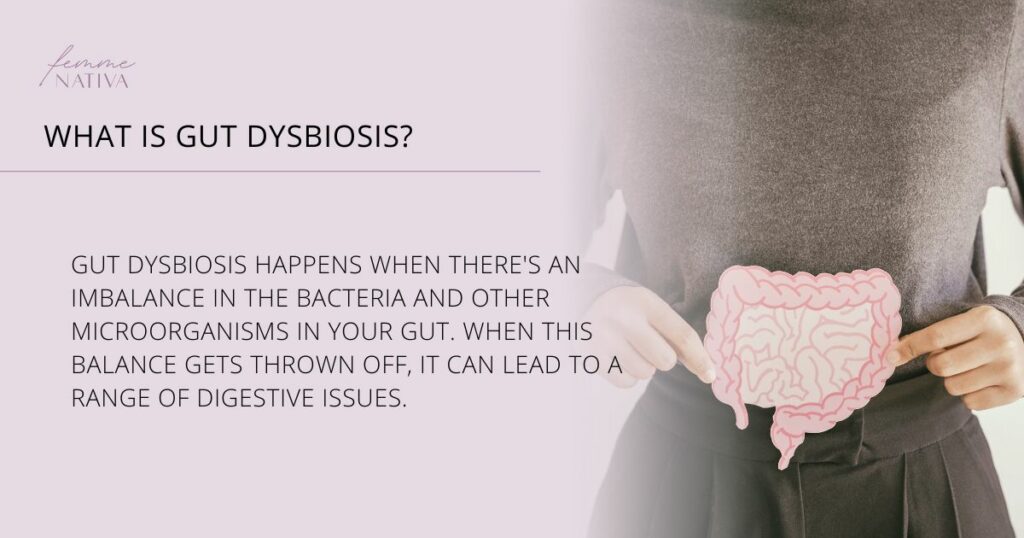
Gut dysbiosis happens when there’s an imbalance in the bacteria and other microorganisms in your gut. Normally, your gut has a mix of good and bad bacteria that work together to keep things running smoothly. But when this balance gets thrown off, it can lead to a range of digestive issues.
For me, gut dysbiosis meant lots of bloating, stomach pain, diarrhoea and acne, worse than it had ever been in my life. This can be caused by things like poor diet, stress, or taking antibiotics, which can kill off the good bacteria in your gut. For me personally, it was a combination of all of these things but especially stress from work and lack of sleep, using antibiotics all throughout my life and not restoring my gut bacteria with probiotics and excessive alcohol use.
At first, doctors thought I had Irritable Bowel Syndrome (IBS), so I tried a strict diet called FODMAP without much luck. Even after cutting out gluten, dairy, and other possible triggers, my symptoms stuck around, leaving me feeling frustrated and tired. It wasn’t until I saw a natural health expert who specialized in gut issues that I got a more accurate diagnosis. Please don’t let a doctor tell you that you have IBS. This isn’t a real diagnosis.
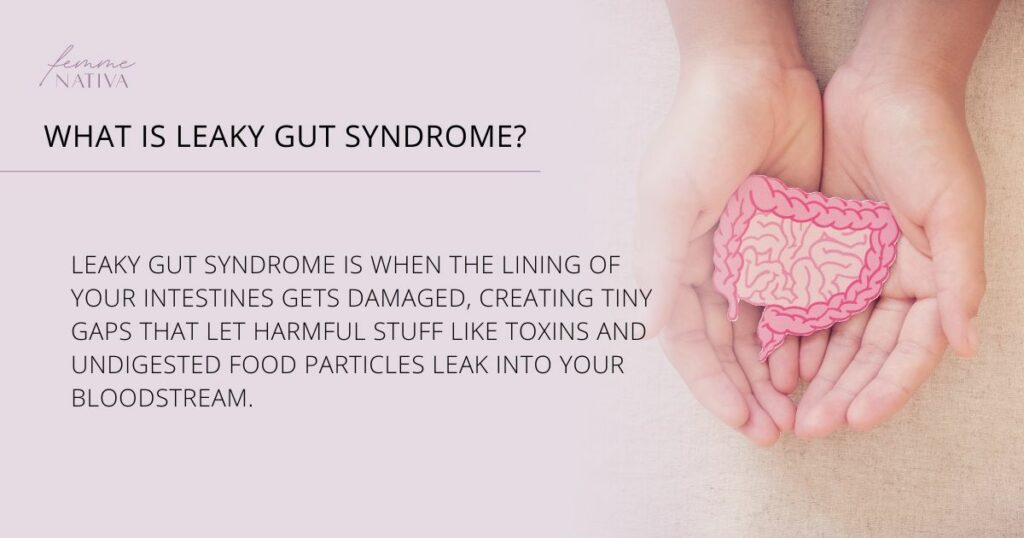
Tests showed my gut was missing the right balance of bacteria needed for good digestion. Plus, I had leaky gut syndrome, which means the integrity of your gut health lining (especially small intestine is damaged). This is basically where the walls of your intestines have tiny holes, letting bad stuff leak into your bloodstream and causing inflammation and a whole suite of problems.
With the help of my naturopath I started taking probiotics and natural supplements to restore the balance in my gut. Gradually, I noticed big improvements. I had more energy, and less bloating, and my digestion became more regular. It was a turning point for me in getting healthier.
The main supplement I took to help with dysbiosis was probiotics as well as Saccharomyces boulardii, a beneficial yeast. And the main supplements I took to help with leaky gut were zinc carnosine (it must be this form of zinc), whole body or type 2 collagen and L-glutamine.
Along with my gut issues, I also struggled with adrenal fatigue. This happens when your adrenal glands can’t produce enough hormones because of prolonged stress or other factors. It left me feeling constantly tired, moody, and overwhelmed. Having gut issues is also a big stress to your body and your adrenals, making your adrenal fatigue worse. And then the worse your adrenal fatigue, the worse your gut health gets.
DOES A GLUTEN-FREE DIET IMPROVE GUT HEALTH?
From my experience, going gluten-free REALLY helped my gut health. I used to love eating bread, pasta, and all kinds of foods with gluten. But after dealing with gut issues like bloating and feeling tired all the time, I decided to try going gluten-free.
Turns out, for many people, gluten can really mess with your gut and make things worse. So, I cut it out of my diet along with dairy and sugar. It was tough at first, but within a few weeks, I started feeling a lot better. My energy levels improved, I wasn’t as bloated, and I even noticed my mood getting better and my face getting much less bloated and puffy.
A gluten-free diet can make a big difference in how your gut feels day to day :)
TIPS FOR GOING GLUTEN-FREE
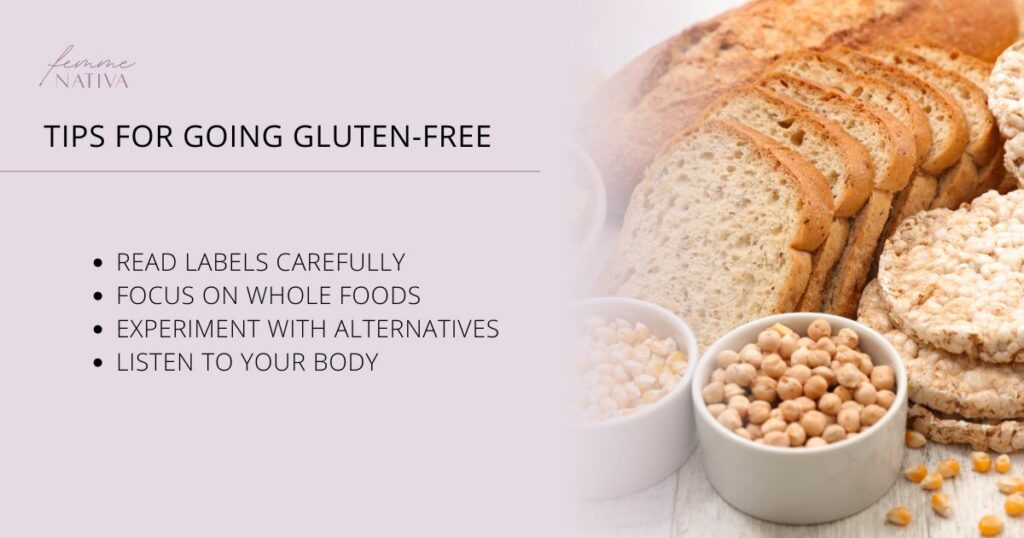
READ LABELS CAREFULLY
Gluten can be hidden in many processed foods. Always check labels for gluten-containing ingredients. I became a label-reading ninja. You’d be surprised where gluten can sneak in, from sauces to snacks.
FOCUS ON WHOLE FOODS
Base your diet around whole, unprocessed foods like fruits, vegetables, lean proteins, and gluten-free grains like quinoa and rice. This was actually a fun challenge. I discovered so many delicious and nutritious foods that I might have overlooked otherwise.
EXPERIMENT WITH ALTERNATIVES
I started exploring gluten-free flours such as almond and coconut flour when I’m baking and cooking. It became a new hobby of mine to create gluten-free bread and treats from scratch. These alternatives are better for those with gluten intolerance or sensitivity because they don’t contain gluten proteins that can irritate the digestive system.
One recipe I’d love to share with you is my Paleo Banana Pancake recipe, where I used coconut flour :) Yum!
LISTEN TO YOUR BODY
Pay attention to how your body reacts to different foods. This will help you identify what works best for you. Keeping a food journal was incredibly helpful for this. I could track what I ate and how I felt afterwards, making it easier to spot patterns.
SAMPLE GLUTEN-FREE MEAL PLAN
Here’s a sample gluten-free meal plan that you can start with.
| Time of Day | Meal | Details |
|---|---|---|
| Morning | Warm Lemon Water | A glass of warm water with lemon to aid digestion and hydrate the body. |
| Probiotic Supplement | Take with breakfast for gut health support. | |
| Breakfast | Option 1: Smoothie with spinach, banana, almond milk, and collagen powder. Option 2: Gluten-free oatmeal with berries and chia seeds. |
|
| Midday | Hydration | Keep hydrated by drinking at least 2 liters of water throughout the day. |
| Lunch | Colorful veggie salad with lean protein (chicken/tofu), dressed with olive oil and lemon. | |
| Afternoon | Herbal Tea | Choose soothing herbal teas like peppermint or chamomile. |
| Snack | Enjoy a handful of nuts, a piece of fruit, or gluten-free crackers with hummus. | |
| Evening | Dinner | Opt for a warm and comforting meal such as quinoa bowl with roasted vegetables or a hearty gluten-free pasta dish. |
| Before Bed | Ginger or Chamomile Tea | Wind down with a calming cup of tea to aid digestion before bedtime. |
If you want more ideas for a gluten-free meal, you can check out our FREE 7-Day Meal Plan! You can sign up below and you’ll get a pdf nutrition plan with meals that are Gluten, dairy and refined-sugar free :)


If you need more guidance on how to eat healthy, have a healthy relationship with food, and help with education about nutrients/nutrient deficiencies and why they are so important for your health, you need to check out our Guide To Women’s Nutrition!
WRAPPING UP
To improve your gut health you need to make lifestyle choices that benefit your whole body. Eat more fiber from foods like whole grains and vegetables, and avoid foods that cause inflammation, like sugary snacks. Use medications like painkillers and antibiotics only when absolutely necessary to keep your gut healthy.
Make sure you get enough sleep because it helps your body recover, and stick to a regular exercise routine to stay strong and healthy. If you think gluten might be causing problems, consider getting tested for celiac disease to find out if cutting it out could help.
Ultimately, improving your gut health is about finding what works best for you. Whether it’s eating more slowly to reduce bloating, trying natural remedies for acid reflux, or switching to a gluten-free diet, every small change can make a big difference in how you feel. Listen to your body, make changes that feel right for you, and start on a journey to a healthier gut and a happier life. You got this :)
Love Rachael xx

SOURCES
- 75% of Women Experience Bloating – https://www.prnewswire.com/news-releases/two-thirds-of-americans-are-living-with-gut-issues-unaware-of-the-health-consequences-301833342
- Dehydration is Usually the Real Cause – https://www.nm.org/healthbeat/healthy-tips/nutrition/how-to-beat-the-bloat
- Hormones can Definitely Cause Bloating – https://www.rachaelattard.com/ghrelin-and-leptin-the-hormones-hungry-and-full-hormones/
- Aerophagia – https://www.medicalnewstoday.com/articles/aerophagia
- Good Quality Probiotic – https://health.clevelandclinic.org/how-to-pick-the-best-probiotic-for-you
- GERD (Gastroesophageal Reflux Disease) – https://medlineplus.gov/ency/article/000265.htm
- Gut Dysbiosis – https://my.clevelandclinic.org/health/diseases/dysbiosis
- Irritable Bowel Syndrome (IBS) – https://www.mayoclinic.org/diseases-conditions/irritable-bowel-syndrome/symptoms-causes/syc-20360016
- Adrenal Fatigue – https://www.healthdirect.gov.au/adrenal-fatigue
- Gluten can Really Mess with your Gut – https://www.nm.org/healthbeat/healthy-tips/nutrition/go-with-your-gut-4-facts-about-gluten-intolerance
- Gluten Proteins that can Irritate the Digestive System – https://www.ncbi.nlm.nih.gov/pmc/articles/PMC10096482/







 It’s FREE