


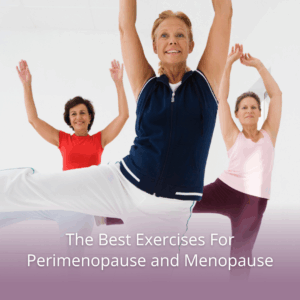
As women move through perimenopause and menopause, our bodies start shifting in ways we don’t always expect. Hormones like estrogen and progesterone begin to fluctuate (and eventually dip), and suddenly we’re dealing with things like stubborn belly weight, hot flashes, mood swings, sleepless nights, achy joints, and changes in muscle and bone strength. It’s a lot, and you’re definitely not alone, which is why exploring the best exercises for perimenopause and menopause can make such a difference.
Exercise is one of the most powerful, science-backed ways to feel better, stronger, and more balanced during this transition. The right workouts can ease symptoms, boost confidence, and help you feel grounded and energized again. Menopause doesn’t have to feel like losing something, it can actually be a season of reclaiming your vitality!
In this post, we’ll walk through the best exercises for perimenopause and menopause, and how you can build a routine that supports your metabolism, bones, heart, brain, and emotional well-being. Let’s make this chapter one where you feel truly supported from the inside out!
Related Post: Best Advice On How To Manage Perimenopause And Menopause Symptoms
Why Exercise Is Essential During Perimenopause & Menopause

As estrogen levels start to dip, your body naturally goes through some changes. You may notice your muscle tone isn’t quite what it used to be, your metabolism feels a bit slower, or your joints feel a little stiffer in the mornings. Bone density gradually decreases too, which is why the risk of osteoporosis rises during this stage. Many women also find that weight tends to settle more around the midsection, and stress can creep up, often thanks to sleep interruptions and normal hormonal ups and downs.
The good news? Exercise can make a huge difference. Moving your body helps rebuild and maintain muscle, strengthens your bones, and keeps your metabolism humming along. It also supports heart and brain health, lifts your mood, eases anxiety, and can even help you sleep more deeply. In other words: staying active is one of the most supportive things you can do for yourself during this transition.
Simply put: movement is medicine, especially during perimenopause and menopause.
The 5 Most Important Types of Exercise for This Stage of Life
1. Strength Training
If there’s one exercise category you should prioritize, it’s strength training. As estrogen declines, the body loses muscle more rapidly, and bones become more brittle. Lifting light weights or using resistance bands, light dumbbells, or even your own bodyweight, slows these changes dramatically.
Strength training provides a wide range of benefits, including increased muscle mass and strength, reduced belly fat, a boosted metabolism, improved posture and joint stability, and stronger bones that help lower the risk of osteoporosis.
A well-rounded strength routine can include exercises such as squats, lunges, deadlifts, glute bridges or hip thrusts, chest presses, bent-over rows, shoulder presses, and step-ups to effectively target major muscle groups and support overall strength.
Aim for 2–4 sessions each week, completing 2–3 sets of 6–12 reps per exercise. Take your time, listen to your body, and gently increase the resistance as you grow stronger.
2. Low-Impact Cardiovascular Exercise for Heart Health & Fat Loss
Menopause increases cardiovascular risk, making cardio exercise especially important. But it doesn’t need to be high-impact to be effective!
Great low-impact cardio options include brisk walking, cycling either outdoors or on a stationary bike, swimming or water aerobics, using the elliptical or rowing machine, and even dance-based workouts, all of which are gentle on the joints while still providing an effective cardiovascular boost.
3. Flexibility & Mobility Training: Keep Your Joints Comfortable
Perimenopause often brings increased stiffness due to changes in connective tissues. Incorporating mobility helps reduce pain and maintain range of motion.
Try adding dynamic stretching before your workouts, followed by static stretching afterward to help your muscles unwind. Incorporating hip mobility routines, shoulder and spine mobility flows, and even some foam rolling can further enhance flexibility and keep your body moving comfortably.
A few minutes per day can greatly improve how your body feels and moves.
4. Balance & Stability Training: Protect Your Bones
As bone density decreases, the risk of falls and fractures increases. Balance training strengthens stabilizer muscles and improves coordination.
Simple balance exercises can make a big difference in daily stability. Try single-leg stands, tandem walking (heel-to-toe), and step-ups, along with core-strengthening movements. Yoga balance poses, such as Tree Pose or Warrior III, are also wonderful for improving steadiness and body awareness.
Practice 3–4 times per week, even if just for 5–10 minutes.
5. Mind-Body Movement: Stress Relief & Hormone Harmony

Chronic stress elevates cortisol, which can worsen weight gain, mood swings, and sleep disturbances. Mind-body exercise helps regulate the nervous system.
Excellent mind-body exercise choices include yoga, whether Hatha, restorative, or vinyasa, along with Pilates for core strength and posture. Tai Chi is wonderful for improving balance and cultivating calm, and simple breathwork practices like diaphragmatic or box breathing can further support relaxation and stress relief.
These practices help reduce anxiety, improve sleep, and increase body awareness.
Related Post: How To Manage Female Hormonal Health Effectively?
Your Best Fitness Program for Perimenopause & Menopause: Our Full Body Fat Loss Program!
If you’re looking for a low-impact program that uses light weights and is thoughtfully designed for women navigating perimenopause and menopause, our Full Body Fat Loss Program is truly the perfect fit!
It not only strengthens your body but also helps you feel lean, toned, and confident, all without adding bulk. The routines are gentle yet effective, easy to follow, and crafted to support your energy, mood, and overall well-being. It’s a program that meets you where you are and helps you feel strong from the inside out.
Plus our Femme Nativa App comes with a tailored meal plan and recipes to help you lose weight.

Additional Wellness Tips to Enhance Exercise Benefits
Increase Protein Intake: Aim for 25–35 grams of protein per meal to support muscle repair.
Stay Hydrated: Hydration helps manage hot flashes and improves workout performance.
Prioritize Sleep: Your body recovers and regulates hormones during sleep.
Support Nutrient Needs: Magnesium, omega-3s, and vitamin D are beneficial, talk to a healthcare provider to personalize supplements.
Be Patient with Your Body: Hormonal transition is natural. Consistency, not perfection, is what counts.
Related Post: Nutrition Tips for Perimenopause and Menopause
Final Thoughts: Perimenopause and Menopause Is a Transition, Not a Decline
Menopause is often described as a season of loss, but it can also be a beautiful invitation to reconnect with your body in fresh, meaningful ways. With the right exercise routine, you can build strength, boost your confidence, sharpen your mental clarity, and feel better than ever, often in ways that surprise you.
During this stage of life, movement becomes more than just fitness. It turns into self-care, empowerment, and a gift you give your future self. ♡


Sources:
https://www.theoriginway.com/blog/the-best-exercise-for-perimenopause-menopause




 It’s FREE