



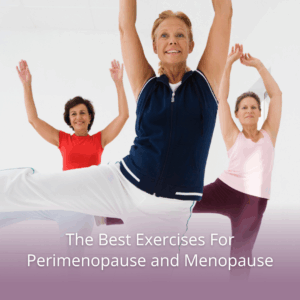
As we women age, we undergo a natural and transformative process known as perimenopause and menopause, which indicate the end of our reproductive years.
A lot of women I know, myself included, haven’t ever been properly taught about perimenopause and menopause. Systemic, in-depth education about perimenopause and menopause doesn’t really exist where I’m from (I’m from Australia). And from what I can gather based on the questions my clients ask me (I’m a fully qualified PT and nutritionist and women often ask me how should they eat and exercise during perimenopause and menopause), this type of education is not really a thing in other parts of the world as well.
Since I get questions about perimenopause and menopause on a weekly basis and since I’m also nearing this period of my life (I’m turning 36 in March!), I wanted to share with you a bit more info on the following topics:
- what are the symptoms of perimenopause and menopause,
- how these symptoms affect your physical and mental health,
- how you should take care of your body and mind during this time,
- how should you exercise during perimenopause and menopause
- best supplements for perimenopause and menopause
WHAT ARE THE SYMPTOMS OF PERIMENOPAUSE AND MENOPAUSE?
Perimenopause typically begins in your late 30s to early 40s and it’s marked by hormonal fluctuations as the body gradually transitions towards menopause. Menopause, on the other hand, is the point when a woman has not had a period for 12 consecutive months, and it typically starts at age 45–55.
Symptoms of Perimenopause and Menopause: The journey through perimenopause and menopause is unique for each woman, as are their symptoms, but common symptoms include:
- hot flashes,
- night sweats,
- weight gain,
- mood swings,
- irregular periods,
- changes in sleep patterns,
- decline in bone density,
- changes in libido,
- vaginal dryness, and
- thinning hair and dry skin.
These hormonal shifts can also affect your skin elasticity, slow your metabolism, and increase the risk of conditions such as osteoporosis (deterioration of bone health) and cardiovascular issues. It’s a time of significant physical and emotional change, and acknowledging and addressing these changes is crucial for overall, long-term well-being.
As we women transition through perimenopause and menopause, I strongly believe that a holistic approach that combines targeted exercises and natural supplements can be a powerful ally. So, let’s see what are some of the best exercises for women after the age of 40.
WHY IS EXERCISE IMPORTANT DURING PERIMENOPAUSE AND MENOPAUSE?
Regular exercise during perimenopause and menopause (and in general) offers many benefits that can significantly improve your overall well-being and vitality. It’s so much more than just a means to a longer life, more importantly, it offers a much better quality of life.
Engaging in regular exercise helps counteract the challenges that menopause can bring by promoting cardiovascular health, maintaining a healthy weight, and improving mood through the release of endorphins.
Strength and resistance training becomes particularly important during perimenopause menopause. This type of training helps with muscle loss and supports bone density. This is super important for reducing the risk of osteoporosis, especially for women of White and Asian descent who are more prone to developing osteoporosis.
Additionally, exercise aids in better sleep patterns, which can be disrupted during perimenopause and menopause.
WHAT TYPE OF EXERCISE IS MOST IMPORTANT DURING (PERI)MENOPAUSE?
CARDIOVASCULAR EXERCISE
POWER WALKING (BRISK WALKING) – Embrace the simplicity and effectiveness of walking. If you read my blog regularly, you probably already know that I’m a HUGE advocate for low-intensity cardio, walking to be precise. Walking is easy, free, and has a lot of benefits so I always recommend it to all my clients.
This low-impact exercise is gentle on the joints, boosts your cardiovascular health, and helps with weight management. This study indicates that walking at least 30 minutes per day, 3 times per week, helps premenopausal women improve bone health. So the sooner you start walking, the better.
Aim for at least 30 minutes a day to keep your heart pumping and your energy levels high. As your endurance and stamina increase, slowly build up your walking time, aiming for 10,000 steps per day.
SWIMMING – Swimming is a fantastic full-body workout! It’s easy on the joints, enhances cardiovascular fitness, and supports muscle tone.
And what about bone health? This review and meta-analysis indicate swimming MAY have some bone-building benefits for premenopausal women.
ELLIPTICAL TRAINER: The elliptical machine/cross-trainer provides a great, low-impact workout that engages your upper and lower body. It’s a very good alternative to both running and walking.
Elliptical trainer is also an option for women who want to improve their bone density and/or who have osteoporosis and cannot do high-impact workouts that have a high risk of falling.
DANCING – Exercise you enjoy doing is the best and most sustainable option, so play your favorite song and dance your heart out. Not only does it elevate your heart rate, but it’s also a fantastic stress-reliever. :)
STRENGTH AND FLEXIBILITY
RESISTANCE TRAINING: If you have been following me for a while, you know that I am a big fan of bodyweight resistance training. It’s easy to do just about anywhere, and it requires minimal-to-no equipment.
Incorporate resistance workouts into your regimen using dumbbells, resistance bands, or your body weight. Strengthening muscles helps combat age-related muscle loss and boosts metabolism.
HIGH-INTENSITY INTERVAL TRAINING: HIIT workouts can help boost metabolism and burn more calories. Including compound exercises like squats, lunges, and deadlifts can be beneficial for engaging multiple muscle groups.
This approach not only builds strength but also improves functional fitness, but it’s important to know that this type of training can increase cortisol levels. It can also cause joint pain, and increase the risk of injury due to the loss of bone density. Make sure to consult with your doctor to get a better sense of what would be the best type of exercise for you.
Lastly, if your goal is to get lean and toned, this type of training might be something you want to avoid, as it can cause bulking, especially in your legs.
Instead of the traditional HIIT workouts that contain exercises like squats and lunges, you can try low-impact HIIT workouts that will make you burn more calories without making you bulky. Plus, this HIIT workout doesn’t include jumping which makes it safer, less risk of falling and injuring yourself.
RELATED: How To Get Lean Instead Of Bulky: The Female Guide
YOGA: Maintaining our balance is very important as we get older. It helps us reduce the risk of injuries, improve joint health and our overall mobility, and decrease the risk of osteoporosis, arthritis, and rheumatism. Practicing yoga is a wonderful way to maintain your balance and flexibility. And, if you are a beginner, yoga can be an excellent starting point.
PILATES: Pilates-style workouts stand out as a highly beneficial exercise method for women in menopause due to their emphasis on core strength, flexibility, and overall body awareness.
With all the hormonal changes that come with menopause, Pilates offers a low-impact yet effective approach to maintaining muscle tone, improving posture, and enhancing flexibility. The controlled movements in Pilates help build and tone muscles without placing excessive strain on joints, addressing issues such as joint pain and stiffness. Additionally, Pilates promotes a mind-body connection, aiding in stress reduction and improving mental well-being.
BEST SUPPLEMENTS FOR PERIMENOPAUSE AND MENOPAUSE
As we go through the often challenging journey of perimenopause and menopause, it’s important to support our body from within. In addition to a well-rounded exercise routine, incorporating natural supplements can provide valuable support during this phase of our life.
Here are some of the most important supplements:
1. Vitamin D: The Sunshine Vitamin
Why it Matters: Vitamin D is crucial for bone health, and many women in perimenopause and menopause may have lower levels. It aids in calcium absorption, supporting bone density.
Food Sources: Fatty fish, fortified dairy, citrus fruit, cantaloupe, strawberries, bell peppers, broccoli, kiwi, kale and sunlight exposure.
Supplementation: Consider vitamin D supplements if your levels are low. Consult with a healthcare professional to determine the appropriate dosage.
2. Calcium: Building Bone Resilience
Why it Matters: Maintaining strong bones is vital during menopause when the risk of osteoporosis increases. Calcium helps fortify bone density.
Food Sources: Dairy products, leafy greens, almonds, and fortified foods.
Supplementation: If dietary intake is insufficient, calcium supplements can be beneficial. Again, consult with a healthcare professional for personalized advice.
3. Omega-3 Fatty Acids: Balancing Hormones
Why it Matters: Omega-3s are very important for women’s health. They contribute to heart health, reduce inflammation, and may help balance hormones during perimenopause.
Food Sources: Fatty fish (like salmon and mackerel), eggs, flaxseeds, chia seeds, and walnuts.
Supplementation: Consider fish oil or algae-based supplements for omega-3s. Ensure the quality and purity of the supplement.
4. Black Cohosh: Nature’s Hormone Support
Why it Matters: Black cohosh is a herb that has been traditionally used to alleviate symptoms like hot flashes and mood swings associated with menopause.
Supplementation: Available in various forms, including capsules and tinctures. Consult with a healthcare provider for proper dosage and guidance.
5. Magnesium: Calming the Body and Mind
Why it Matters: Magnesium is one of the most common deficiencies, especially for women over the age of 40, and it affects almost every single process in your body! Magnesium plays a role in muscle and nerve function, helping to alleviate symptoms such as muscle cramps and mood swings.
Food Sources: Leafy greens, seeds, avocado, salmon, dark chocolate, almonds and cashews, pumpkin and chia seeds.
Supplementation: Consider magnesium supplements if your diet lacks sufficient sources. It can also aid in relaxation and better sleep.
6. Probiotics: Gut Health for Hormonal Balance
Why it Matters: Probiotics support gut health, influencing overall well-being and potentially assisting in hormone regulation.
Food Sources: Yogurt, kefir, sauerkraut, and other fermented foods.
Supplementation: Probiotic supplements can be beneficial, especially if you have digestive issues. Look for a diverse range of strains.
7. Maca Root: Energizing Adaptogen
Why it Matters: Maca root is an adaptogen that may help alleviate symptoms like fatigue and mood swings associated with hormonal changes.
Supplementation: Available in powder or capsule form. Start with a small dose and monitor how your body responds.
8. Evening Primrose Oil: Nurturing Skin and Hormones
Why it Matters: Evening Primrose Oil contains gamma-linolenic acid (GLA), which may help with skin health and hormonal balance. This study indicates that evening primrose oil can be effective in reducing the frequency and severity of night sweats although it doesn’t seem to be as effective as a relief for hot flash symptoms as previously reported.
Supplementation: Available in capsules. Consult with a healthcare professional for appropriate dosage and usage.


SOURCES:
- Menopause and perimenopause – https://www.nia.nih.gov/health/menopause/what-menopause
- Benefits of Exercising During Menopause – https://www.mdpi.com/1660-4601/17/19/7049
- Osteoporosis – https://www.nia.nih.gov/health/osteoporosis/osteoporosis
- Walking and Osteoporosis – https://www.ncbi.nlm.nih.gov/pmc/articles/PMC8926180/
- Swimming and Osteoporosis – https://www.ncbi.nlm.nih.gov/pmc/articles/PMC7245678/
- Elliptical and Osteoporosis – https://www.ncbi.nlm.nih.gov/pmc/articles/PMC3296386/
- Resistance Training and Bone Health – https://www.ncbi.nlm.nih.gov/pmc/articles/PMC6279907/
- Yoga and Osteoporosis – https://journals.plos.org/plosone/article?id=10.1371/journal.pone.0251391
- Vitamin D and Calcium for Bone Health – https://www.niams.nih.gov/health-topics/calcium-and-vitamin-d-important-bone-health
- Effects of Omega -3 Fatty Acids on Women’s Health – https://pubmed.ncbi.nlm.nih.gov/15385858/
- Black Cohosh and Menopausal Symptoms – https://www.ncbi.nlm.nih.gov/books/NBK79338/
- Magnesium and Women’s Health – https://ods.od.nih.gov/factsheets/Magnesium-HealthProfessional/
- Gut Health and Hormonal Balance – https://www.ncbi.nlm.nih.gov/pmc/articles/PMC8506209/
- Maca Root and Menopause – https://www.ncbi.nlm.nih.gov/pmc/articles/PMC3614576/
- Evening Primrose Oil and Menopause – https://www.ncbi.nlm.nih.gov/pmc/articles/PMC8102809/


 It’s FREE