




Losing weight and improving our health starts with what we eat. If you’re aiming to lose weight, build lean muscle, and get healthier, increasing your protein intake is key! This is especially important for us women because in general, we tend to eat less protein than we need. This is something I noticed in a lot of women I’ve worked with over the years. (I have a Sports Nutrition certificate from the International Society of Sports Nutrition. You can learn more about me and my qualifications here.)
Protein is a powerhouse when it comes to shedding those extra pounds and building lean muscle tone. :)
In this post, I’ll break down what proteins are, why they’re so important for weight loss and lean muscle building, and how much protein women need to eat on a daily basis.
WHAT ARE PROTEINS?
Protein is super important when it comes to losing weight and building muscles!
Proteins are the building blocks of life. LITERALLY! They’re made up of amino acids, which are essential for building and repairing tissues in your body. Think of proteins as the construction workers in our bodies, always ready to repair damage and build new structures.
WHAT ARE THE DIFFERENT TYPES OF AMINO ACIDS?
Proteins are made up of amino acids and there are two types of amino acids: essential and non-essential.
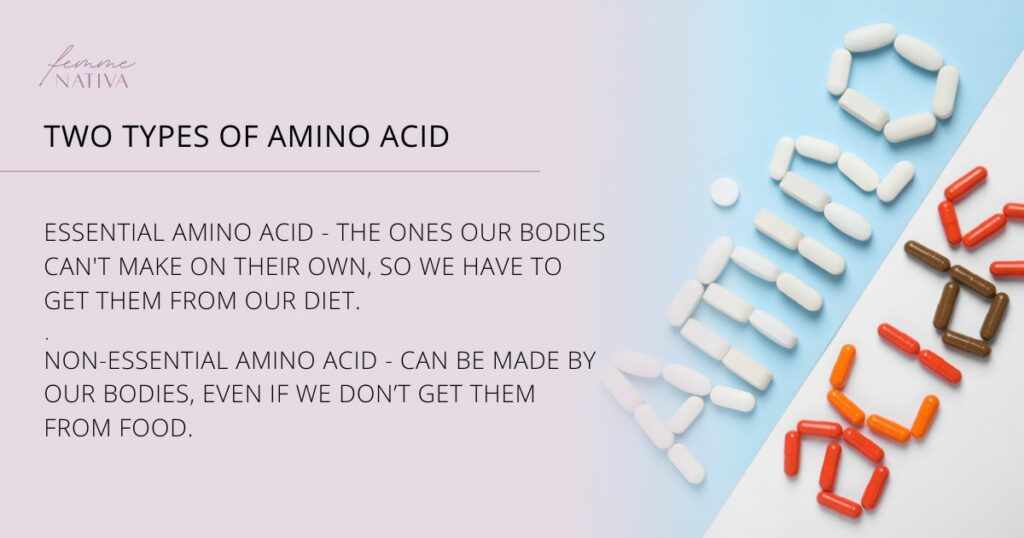
Essential amino acids are the ones our bodies can’t make on their own, so we have to get them from our diet. Non-essential amino acids can be made by our bodies, even if we don’t get them from food.
Both types are important for keeping us healthy, supporting muscle growth, producing energy, and boosting our immune system :)
ESSENTIAL AMINO ACID
Essential amino acids are those our bodies can’t make on their own, so we have to get them from our diet. They’re super important for things like building muscle, repairing tissues, and keeping our immune system strong. Here are the essential amino acids and what they do:
| Amino Acid | Description |
|---|---|
| Histidine | Supports growth and tissue repair essential for immune response and digestive health. |
| Isoleucine | Aids in muscle metabolism, energy regulation, and hemoglobin production. |
| Leucine | Critical for protein synthesis, muscle repair, and regulation of blood sugar levels. |
| Lysine | Essential for protein synthesis, hormone production, and calcium absorption. |
| Methionine | Important for metabolism, detoxification, and tissue growth. |
| Phenylalanine | A precursor to neurotransmitters that regulate mood and cognitive function. |
| Threonine | Crucial for collagen, elastin, and muscle tissue maintenance. |
| Tryptophan | Precursor to serotonin and melatonin, important for mood and sleep regulation. |
| Valine | Supports muscle growth, tissue repair, and energy production. |
NON-ESSENTIAL AMINO ACIDS
While our bodies can produce non-essential amino acids, they are still important for maintaining overall health and supporting functions such as detoxification, brain health, and collagen formation. Here’s a look at each non-essential amino acid:
| Amino Acid | Description |
|---|---|
| Alanine | Plays a key role in glucose metabolism and energy production. |
| Arginine | Essential for wound healing, immune function, and cardiovascular health. |
| Asparagine | Supports nervous system function and protein synthesis. |
| Aspartic Acid | Involved in energy production and neurotransmitter synthesis. |
| Cysteine | Contributes to antioxidant defense and protein structure. |
| Glutamic Acid | Functions as a neurotransmitter and supports brain function. |
| Glutamine | Supports immune function, intestinal health, and protein synthesis. |
| Glycine | Important for collagen production, joint health, and neurotransmitter function. |
| Proline | Essential for collagen synthesis and maintaining skin elasticity. |
| Serine | Supports metabolism, neurotransmitter production, and cell membrane integrity. |
| Tyrosine | A precursor to neurotransmitters that regulate mood and cognitive function. |
WHY DOES PROTEIN MATTER?
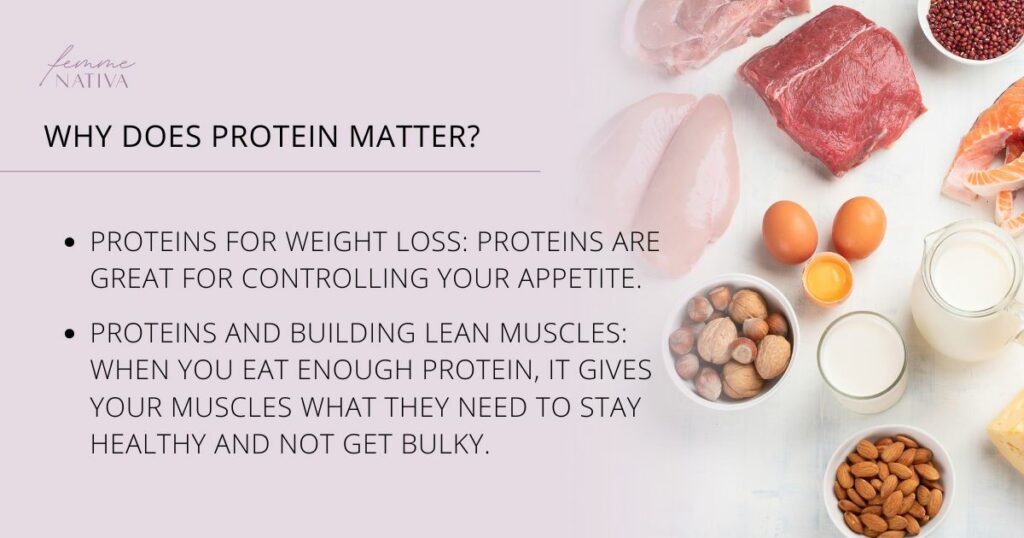
Proteins do many important things in our bodies, from helping us stay fit to lowering our blood pressure. But today, we’ll focus on how they help with weight loss and building lean muscles.
PROTEINS AND WEIGHT LOSS
Proteins are great for controlling your appetite, they make you feel full longer because they take longer to digest than carbs and fats. This means you won’t feel hungry as quickly and can avoid those snack cravings.
Proteins also boost your metabolism. This means your body burns more calories to digest and use the nutrients in protein. So, you burn more calories throughout the day. Studies show that people who eat more protein tend to lose weight faster and keep it off. A high-protein diet increases your metabolism and helps reduce calorie intake and cravings.
RELATED POST: WHY YOU NEED PROTEIN FOR FAT LOSS
PROTEINS AND BUILDING LEAN MUSCLES
Protein is awesome for building lean muscles. When you exercise, your muscles tear and protein is what helps them repair. This is how we build muscle. So if you exercise but don’t eat enough protein, you are just making it harder for your body to repair those muscles there.
Protein sets off a process called muscle protein synthesis. It’s like your body’s repair team, working hard to rebuild and strengthen your muscles after exercise.
So, if you’re aiming for that lean and toned muscle, making sure you get plenty of protein is important!
WHAT’S THE RECOMMENDED DAILY PROTEIN INTAKE FOR WOMEN?
Now, you might be wondering, “How much protein do I actually need?” The answer depends on several factors, including your age, gender, activity level, body type, and fitness goals.
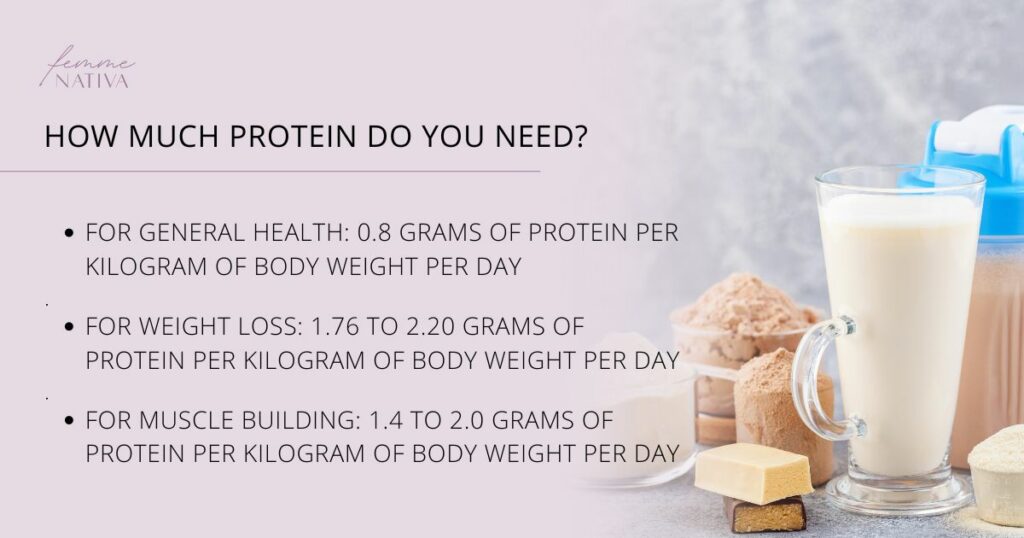
For starters, here are some general guidelines to help you get started:
FOR GENERAL HEALTH
Adults are recommended to take around 0.8 grams of protein for every kilogram of body weight per day or just over 7 grams for every 20 pounds of body weight. This is the minimum amount recommended to meet your basic nutritional needs.
For example, a person weighing 140 pounds would need about 50 grams of protein daily to maintain overall health.
FOR WEIGHT LOSS
Increase your intake to about 1.76 to 2.20 grams of protein per kilogram of body weight per day or approximately 0.8 to 1.0 grams of protein per pound of body weight. This higher amount keeps you feeling full, which can prevent overeating.
For instance, if you weigh 150 pounds, aim for 120 to 150 grams of protein daily. Protein-rich foods like chicken, fish, beans, and Greek yogurt can help you reach this target.
FOR MUSCLE BUILDING
1.4 to 2.0 grams of protein per kilogram of body weight per day or 0.64 to 0.91 grams of protein per pound per day is ideal for active individuals. For someone weighing 150 pounds, that translates to roughly 95 to 136 grams of protein daily. This ensures your muscles have what they need to recover and grow stronger after workouts.
Incorporating protein shakes, lean meats, eggs, and tofu into your diet can help meet these higher protein needs.
I personally love whey protein and recommend it to most people. It’s a high-quality, fast-digesting protein that supports muscle recovery and growth, it can also help in losing weight and helps maintain muscle mass!
However, if you can’t consume dairy products, there are plenty of great alternatives like plant-based protein powders :)
BEST SOURCES OF PROTEIN
Now that we know why proteins are important and how much you need, let’s talk about where to get them. Here are some fantastic sources of protein to incorporate into your diet:
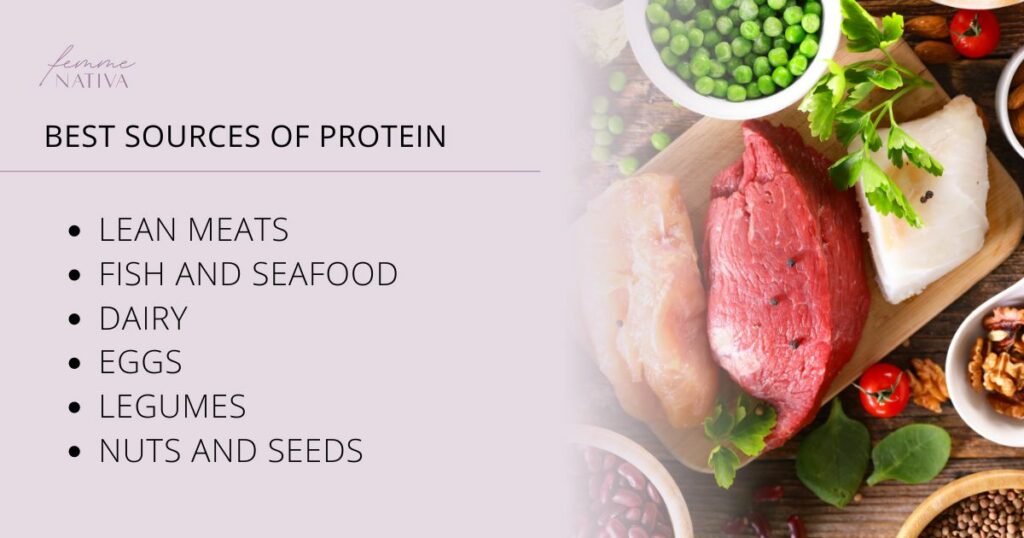
- Lean Meats: Chicken breast, turkey, lean cuts of beef, and pork are excellent sources of high-quality protein.
- Fish and Seafood: Salmon, tuna, shrimp, and other seafood provide not only protein but also healthy fats like omega-3 fatty acids.
- Dairy: Greek yogurt, cottage cheese, and milk are rich in protein and can be great additions to your diet.
- Eggs: Eggs are a versatile and complete protein source, meaning they contain all the essential amino acids your body needs.
- Legumes: Beans, lentils, chickpeas, and other legumes are great plant-based protein sources, and they also provide fiber and other nutrients.
- Nuts and Seeds: Almonds, peanuts, chia seeds, and pumpkin seeds are packed with protein and healthy fats.
If you want to have a high-protein meal you should try this Spicy Kale Salad With Hummus Roasted Cauliflower recipe! Yum!
TIPS FOR INCORPORATING MORE PROTEIN INTO YOUR DIET
Adding more protein to your diet doesn’t have to be difficult. Here are some easy ways to boost your protein intake:
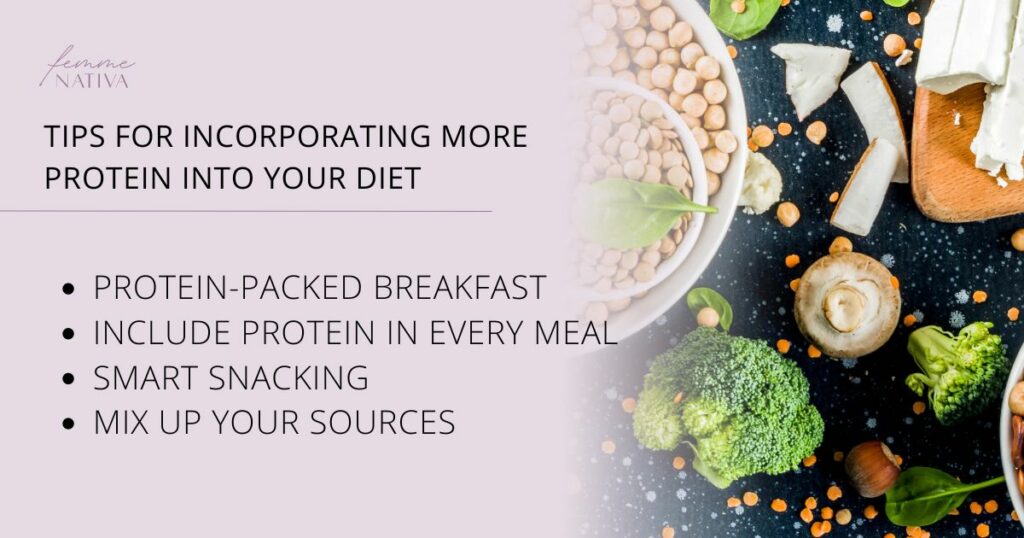
- Protein-Packed Breakfast: Start your day with a protein-rich breakfast. Think scrambled eggs, Greek yogurt with nuts and berries, or a protein smoothie with protein powder, spinach, and almond milk.
- Include Protein in Every Meal: Make sure each meal includes a source of protein. This helps maintain steady energy levels and supports muscle repair throughout the day. Aim for a balance of protein, healthy fats, and complex carbs.
- Smart Snacking: Choose protein-rich snacks like a handful of nuts, a slice of cheese, or a boiled egg. Protein bars can also be a convenient option, especially if they are homemade!
- Mix Up Your Sources: Variety is key. Rotate different protein sources to ensure you’re getting a wide range of nutrients. This also keeps your meals interesting and satisfying.
Sharing with you my favourite breakfast which is banana protein smoothies, an easy smoothie recipe you can try!
WRAPPING IT ALL UP
Proteins are an important part of our fitness journey. Protein keeps us full, boosts our metabolism, and is essential for muscle repair and growth. By understanding the importance of proteins and making sure to include them in our diets, we can make progress toward achieving our fitness goals.
Remember, balance is key. Combine proteins with healthy fats and carbs for a well-rounded diet. Listen to your body and adjust your protein intake based on your individual needs and progress.
So next time you’re planning your meals, give proteins the spotlight they deserve. Your body will thank you, and you’ll be one step closer to reaching your fitness aspirations :)
Love Rachael xx


SOURCES
- Proteins – https://nutritionsource.hsph.harvard.edu/what-should-you-eat/protein/
- Protein and Blood Pressure – https://pubmed.ncbi.nlm.nih.gov/12544662/
- Essential and Non-essential Amino Acid – https://my.clevelandclinic.org/health/articles/22243-amino-acids
- Proteins are Great for Controlling Appetite – https://www.sciencedirect.com/science/article/abs/pii/S0031938420304376
- 0.8 Grams of Protein – https://nutritionsource.hsph.harvard.edu/what-should-you-eat/protein/
- 1.76 to 2.20 Grams of Protein – https://www.sciencedirect.com/science/article/pii/S0002916523274274
- 1.4 to 2.0 Grams of Protein- https://www.ncbi.nlm.nih.gov/pmc/articles/PMC2117006/
- Lowering our Blood Pressure – https://academic.oup.com/aje/article/176/suppl_7/S27/111828
- Whey Protein – https://www.webmd.com/vitamins/ai/ingredientmono-833/whey-protein
- People Who Eat More Protein Tend to Lose Weight Faster – https://pubmed.ncbi.nlm.nih.gov/10375057/
- Muscle Protein Synthesis – https://www.physio-pedia.com/Muscle_Protein_Synthesis



 It’s FREE