




Hey there, lovelies! If you’re reading this, I suppose you’re either curious and want to learn something new or you’re experiencing the transition of perimenopause or menopause.
If you’re the latter, I know this can be a confusing and challenging time, but let me tell you this you are strong, resilient, and capable of thriving through these changes. Think of this phase as a new adventure, where you can improve your relationship with your body and discover new ways to nurture and support yourself :)
In this blog post, we’ll explore something a lot of women find hard during this time, weight loss and nutrition. Hormonal changes can make it feel like your body has a mind of its own, but trust me, with some smart strategies, you can manage your weight and feel amazing!
WHAT ARE PERIMENOPAUSE AND MENOPAUSE?
First things first, let’s get clear on what perimenopause and menopause are.
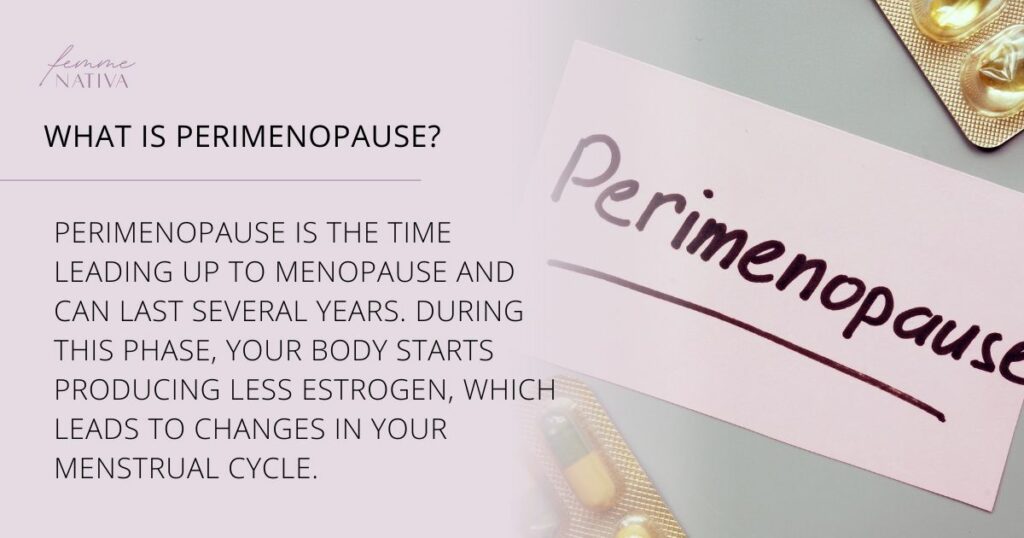
Perimenopause is the time leading up to menopause and can last several years. During this phase, your body starts producing less estrogen, which leads to changes in your menstrual cycle. It’s your body’s way of transitioning toward the end of your reproductive years. Most women begin experiencing perimenopause in their 40s, but for some, it can start in their 30s.
During perimenopause, you might notice irregular periods, mood swings, hot flashes, night sweats, and sleep disturbances. This is your body’s way of transitioning and adjusting to lower hormone levels.
On the other hand, menopause is when you’ve gone a whole year without a period, marking the end of your reproductive years.
Similar to perimenopause, you might notice symptoms like hot flashes, vaginal dryness, and changes in your sex drive. While this may sound like bad news, the good thing is that many women find that the symptoms they had during perimenopause ease up once they hit menopause.
WHAT ARE THE CHALLENGES DURING PERIMENOPAUSE AND MENOPAUSE?
Dealing with the symptoms of perimenopause and menopause can be tough. The physical changes are one thing, but the emotional ones can be just as challenging. You might feel like you’re on a roller coaster, and just when you think you’ve got a handle on things, another symptom pops up.
Here are some of the challenges you might face during this phase:
EMOTIONAL CHALLENGES
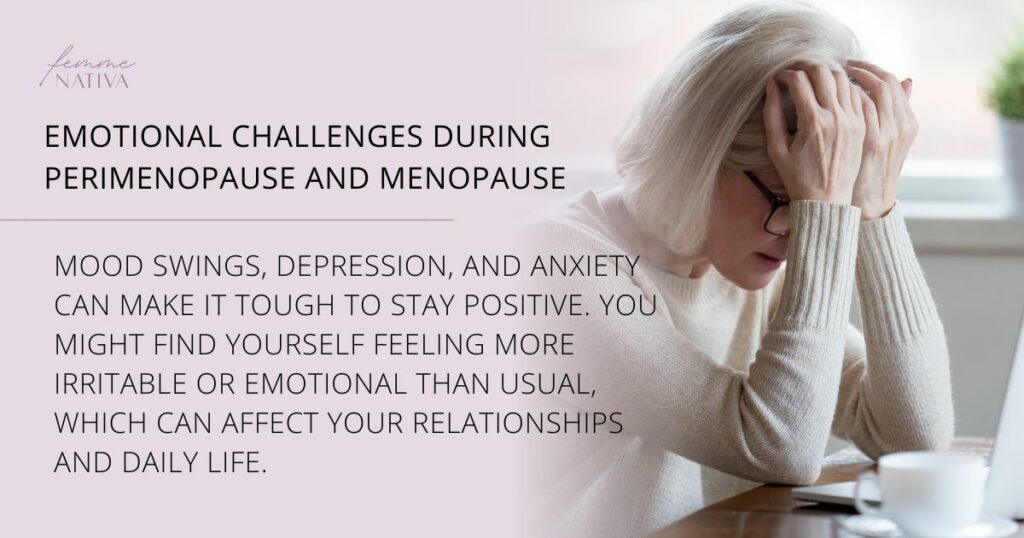
The emotional challenges can be especially hard. Mood swings, depression, and anxiety can make it tough to stay positive. You might find yourself feeling more irritable or emotional than usual, which can affect your relationships and daily life. One minute you’re fine, and the next, you’re crying over a commercial or snapping at a loved one.
While it’s okay to feel overwhelmed sometimes, I think it is best to talk about what you’re going through, whether it’s with friends, family, or a therapist. Even though I’m not at that stage yet, I know that sharing your experiences can make a big difference. :)
PHYSICAL CHALLENGES
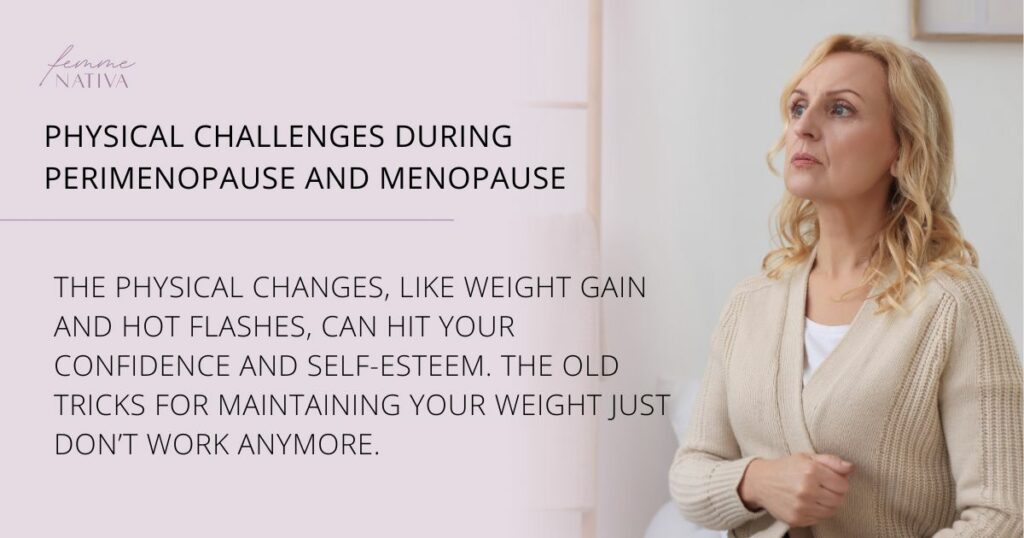
The physical changes, like weight gain and hot flashes, can affect your confidence and self-esteem. It can feel like your body is betraying you, and the old routines for maintaining a healthy weight just don’t work anymore.
You might find yourself waking up drenched in sweat in the middle of the night or struggling with sudden bursts of heat during the day. This can be incredibly frustrating and can disrupt your sleep and daily routine.
WHY IS IT IMPORTANT TO MAINTAIN A HEALTHY WEIGHT AND NUTRITION DURING THIS STAGE?
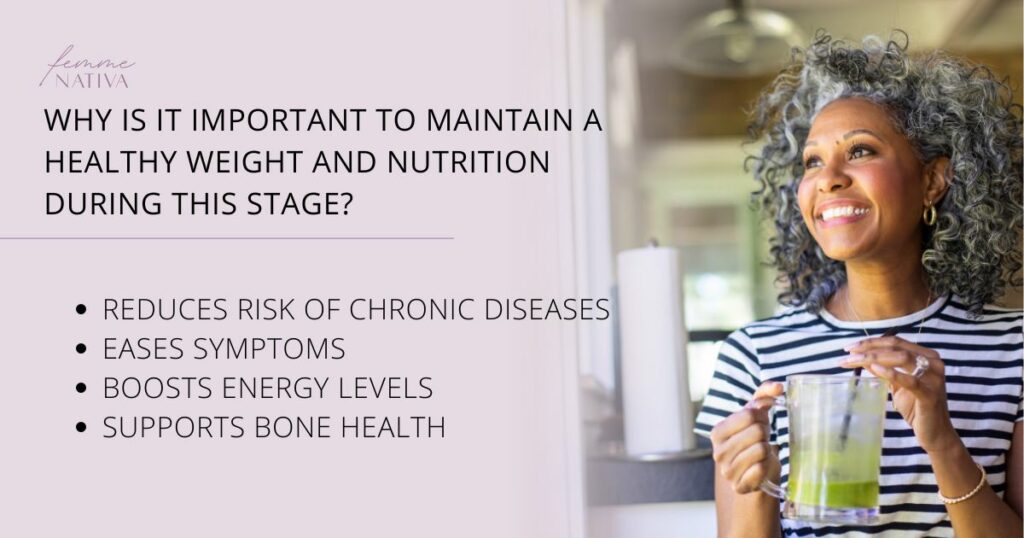
Staying healthy during perimenopause and menopause isn’t just about looking good—it’s about feeling good and staying well. Below are some of the IMPORTANT reasons why you need to maintain a healthy weight and proper nutrition during this stage of your life:
REDUCES RISK OF CHRONIC DISEASES
Keeping a healthy weight can lower your chances of developing heart disease, diabetes, and cancer. People who maintain a healthy weight have a lower risk of developing chronic conditions, especially in women. In fact, a study found that postmenopausal women who maintained a healthy weight had a significantly lower risk of heart disease compared to those who were overweight or obese.
EASES SYMPTOMS
Eating well can help manage symptoms like hot flashes and mood swings, making daily life more comfortable. Women who followed a diet rich in fruits, vegetables, and whole grains experienced fewer and less severe hot flashes and mood swings.
BOOSTS ENERGY LEVELS
For a lot of perimenopausal and menopausal women, keeping their energy levels seems to be a problem. This is why a balanced diet is necessary. It keeps your energy levels stable throughout the day, helping you feel more vibrant and active. Nutrient-dense foods provide sustained energy and prevent blood sugar spikes and crashes that can leave you feeling fatigued.
SUPPORTS BONE HEALTH
Unfortunately, women are more likely to develop osteoporosis than men. This is because the hormonal changes during menopause directly impact bone density. Along with having a balanced diet, getting enough calcium and vitamin D is also important. These can help maintain bone density and prevent osteoporosis, keeping your bones strong and healthy. If you want to prevent osteoporosis, I would highly recommend doing some type of resistance training, it can be weightlifting, bodyweight training, Pilates, or any other type of resistance training that will challenge you and build muscle tone.
RELATED POST: PERIMENOPAUSE AND MENOPAUSE EXERCISE AND SUPPLEMENTS
WEIGHT LOSS TIPS FOR PERIMENOPAUSE AND MENOPAUSE
As I have mentioned earlier, this stage may look like your hormones have a mind of their own, but trust me, there are still ways to lose weight :)
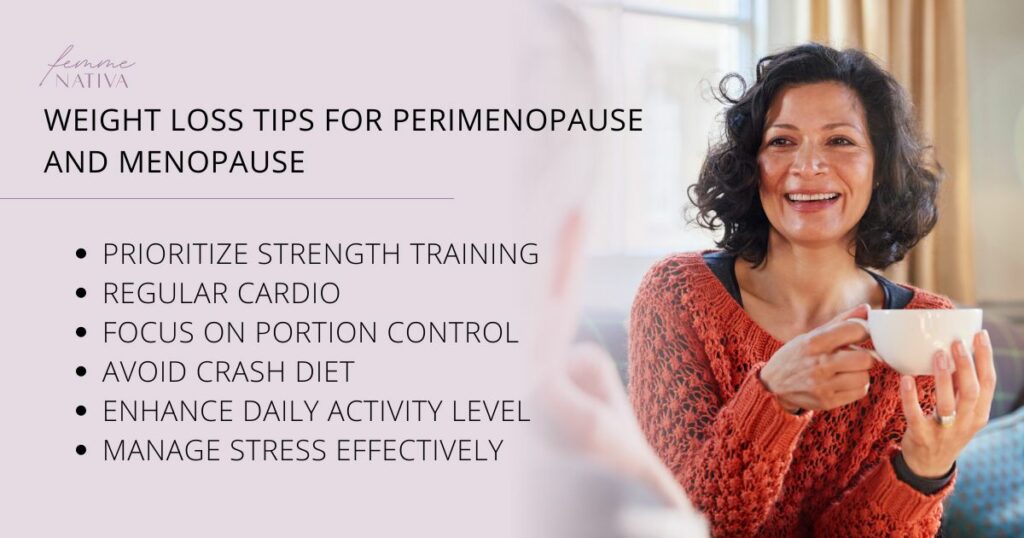
The following are some of the tips that can hopefully help you in losing weight:
PRIORITIZE STRENGTH TRAINING
Strength training is a game-changer, especially during perimenopause and menopause. As estrogen levels drop, our bodies tend to lose muscle mass, which slows down metabolism. Building muscle helps counteract this by boosting your metabolism, making it easier to maintain a healthy weight. Plus, it strengthens your bones, which is crucial for preventing osteoporosis.
As a starter, you can incorporate exercises like:
- Deadlifts and glute bridges – For your lower body
- Planks – Excellent for the core.
- Push-ups: Strengthen your upper body.
- Resistance band exercises: Perfect for a full-body workout.
REGULAR CARDIO
Cardiovascular exercise is also important, especially for heart health. Plus, it also helps burn calories! Regular cardio can improve your overall fitness, increase your energy levels, and aid in weight management.
To start, you may include any of these in your routine:
- Walking: Simple and easy to incorporate into your daily routine.
- Swimming: Excellent for a full-body workout.
- Cycling: Fun and effective.
- Elliptical machines: Provide a good workout with less impact on your knees.
FOCUS ON PORTION CONTROL
Portion control is super important for managing weight, especially during perimenopause and menopause. As your body goes through hormonal changes, regulating calorie intake and preventing overeating is crucial for maintaining a healthy weight.
Switching to smaller plates can be a game-changer. This simple trick helps control portion sizes and makes your portions look bigger, which can satisfy both your mind and body. Pay attention to your hunger cues—eat until you’re satisfied, not completely full. Listening to your body’s signals can help you avoid unnecessary snacking and overeating.
AVOID CRASH DIET
Crash diets might promise quick results, but they can lead to muscle loss, nutritional deficiencies, and a slowed metabolism. Instead, aim for sustainable gradual weight loss, which is healthier and more effective in the long run.
Focus on balanced eating by incorporating lean proteins, whole grains, and plenty of fruits and vegetables into your diet. By taking it slow and steady, you’ll set yourself up for long-term success and feel great throughout your journey!
ENHANCE DAILY ACTIVITY LEVEL
Increasing your overall daily activity can help burn additional calories and improve your fitness, which is especially important during perimenopause and menopause. Simple changes, like taking the stairs, going for short walks, or using a standing desk, can make a big difference. Engaging in active hobbies such as gardening, dancing, or playing with your pets can make movement fun and help you stay consistent!
You probably already know that I think walking is an awesome exercise. It’s easy on the joints, boosts your mood, and can be done almost anywhere. Aim for 10,000 steps a day to keep your body moving and feeling great. By enhancing your daily activity level, you’ll support weight management and improve your overall fitness during this transitional phase. Keep moving, and remember to enjoy the journey!
MANAGE STRESS EFFECTIVELY
Chronic stress can lead to weight gain, especially around the abdomen, due to elevated cortisol levels. Managing stress is super important for both your mental and physical health, especially during perimenopause and menopause.
Incorporate relaxation techniques like meditation, yoga, or deep breathing exercises into your routine to help calm your mind and reduce stress. Engaging in stress-reducing hobbies, such as reading, gardening, or crafting, can also help you unwind and relax. Regularly scheduling time for stress management practices and seeking support if needed can help maintain emotional balance.
Remember, taking care of your mental health is just as important as looking after your physical health during this stage. You’ve got this!
NUTRITION TIPS FOR PERIMENOPAUSE AND MENOPAUSE
When it comes to managing your health during perimenopause and menopause, what you eat can make a big difference. Hormonal changes can affect your metabolism, energy levels, and overall well-being.
Here are some key nutrition tips to help you stay balanced and support your health during this time:
PRIORITIZE PROTEIN
As estrogen levels decline muscle mass tends to decrease, which can slow down your metabolism and affect your weight. Protein is vital for maintaining and building muscle, which supports a healthy metabolism.
Additionally, protein helps keep you full longer, which can assist in managing your weight and controlling hunger.
| Protein Source | Benefits |
|---|---|
| Lean Meats | Chicken, turkey, and lean cuts of beef provide high-quality protein without excessive fat. |
| Fish | Fatty fish like salmon, mackerel, and sardines are rich in protein and omega-3 fatty acids, which help with inflammation and heart health. |
| Eggs | A versatile and complete protein source that can be included in many meals. |
| Beans and Legumes | Lentils, chickpeas, and black beans offer plant-based protein and fiber. |
| Greek Yogurt | High in protein and can be a great snack or meal addition. |
Sharing with you this delicious fish piccata recipe! It’s a fantastic choice for a protein-packed meal, perfect for supporting your health and fitness goals during perimenopause and menopause.
FOCUS ON FIBER
Fiber is key for digestion and regulating blood sugar levels, especially during perimenopause and menopause when hormonal changes can impact glucose metabolism. A high-fiber diet promotes a feeling of fullness, helping with weight management and preventing overeating. Here’s a table of fiber-rich foods to include in your diet:
| Fiber Source | Benefits |
|---|---|
| Whole Grains | Incorporate oatmeal, quinoa, barley, and brown rice into your diet for added fiber. |
| Fruits | Apples, berries, pears, and bananas are excellent fiber sources. Eating a variety can maximize nutrient intake. |
| Vegetables | Leafy greens like spinach and kale, as well as cruciferous veggies like broccoli and cauliflower, provide fiber and essential vitamins. |
| Legumes | Beans, lentils, and peas are high in fiber and offer additional protein. |
You can try this delicious and nutritious recipe for spinach and ricotta dumplings! These dumplings are not only a delightful treat but also pack a good amount of fiber :)
INCLUDE HEALTHY FATS
Healthy fats are important for hormone production and overall health, especially as you transition to menopause. They can help manage symptoms like hot flashes and support heart health, which is crucial as the risk of cardiovascular disease increases. Check out these tasty options:
| Healthy Fat Source | Benefits |
|---|---|
| Avocados | Packed with monounsaturated fats that are great for your heart. |
| Nuts and Seeds | Almonds, walnuts, flaxseeds, and chia seeds offer essential fatty acids and can help reduce inflammation. |
| Olive Oil | A fantastic source of monounsaturated fats and antioxidants—perfect for cooking or salad dressings. |
| Fatty Fish | Salmon, mackerel, and sardines are loaded with omega-3 fatty acids that support heart and brain health. |
KEEP CALCIUM AND VITAMIN D IN CHECK
As estrogen levels drop during menopause, it’s important to focus on calcium and vitamin D to keep your bones strong and reduce the risk of fractures. Here’s a simple guide to help you get enough of these nutrients:
| What to Eat | Benefits |
|---|---|
| Dairy Products | Milk, cheese, and yogurt are full of calcium. Go for low-fat or fat-free options if you can. |
| Leafy Greens | Kale, bok choy, and collard greens are great for calcium if you prefer plant-based foods. |
| Fortified Foods | Look for plant-based milk and cereals that are fortified with calcium. |
| Fatty Fish | Salmon and mackerel are not only good for healthy fats but also rich in vitamin D. |
Here’s a simple Apple Cinamon Overnight oats you can try! I use dairy-free milk in this recipe, which is a great source of calcium :)
STAY HYDRATED
Staying hydrated is super important for keeping your metabolism running smoothly, aiding digestion, and avoiding issues like bloating and dryness. PLUS, drinking enough water can help with appetite control.
Remember, staying hydrated doesn’t have to be boring. Enjoy these tasty options to keep your hydration levels up and feel your best!
RELATED POST: SIGNS THAT YOU ARE DEHYDRATED
| What to Drink | Benefits |
|---|---|
| Water | Aim for at least 8 cups a day. Water keeps you hydrated and supports all your body’s functions. |
| Herbal Teas | Peppermint or chamomile teas are not only soothing but also help keep you hydrated. |
| Infused Water | Adding slices of lemon, cucumber, or fresh mint to your water makes it extra refreshing and tasty. |
LIMIT PROCESSED FOODS AND SUGAR
During menopause and perimenopause, cutting back on processed foods and sugar can really help with managing weight and improving your overall health. Processed foods and sugary snacks can make mood swings worse, lead to weight gain, and cause your blood sugar to spike. Here’s an easy guide to making healthier choices:
| What to Avoid | Why It’s Better to Skip |
|---|---|
| Sugary Drinks | Drinks like soda, sugary coffee, and energy drinks can make your blood sugar go up and add extra calories. |
| Processed Snacks | Snacks like chips, cookies, and pre-packaged foods often have lots of added sugar and unhealthy fats. |
| Refined Grains | Foods like white bread and pastries are made with processed flour and can affect your blood sugar and nutrition. |
Stick to whole, unprocessed foods and cook from scratch when you can. This way, you control what’s in your meals and get better nutrition. Keep up the great work!
HORMONE REPLACEMENT THERAPY (HRT)
For many women, diet and exercise might not be enough to manage menopause symptoms effectively. If you’re finding that lifestyle changes alone aren’t cutting it, another option to consider is Hormone Replacement Therapy (HRT). This can be a game-changer for many women, offering relief from those pesky hot flashes, mood swings, and other discomforts that come with menopause.
WHAT IS HRT?
Hormone Replacement Therapy (HRT) is a treatment that helps with menopause symptoms by giving you back the hormones your body stops producing. The main hormone replaced is estrogen, which helps with symptoms like hot flashes, mood swings, and vaginal dryness. Sometimes, HRT also includes progestogen (or progesterone) to balance the estrogen and protect your womb, especially if you haven’t had a hysterectomy. HRT can help you feel more comfortable and manage those challenging symptoms during menopause.
TYPES OF HRT
There are different types of HRT available, depending on your needs and preferences:
| Type of HRT | Description | Examples | Advantages | Disadvantages |
|---|---|---|---|---|
| Hormones | Contains different hormones – oestrogen, progestogen, or both. | Oestrogen-only, Combined HRT | Essential for various bodily functions, such as bone health. | Combined HRT may carry additional risks. |
| Forms | Can be taken in various ways. | Tablets, Patches, Gel, Spray | Flexible options to suit different preferences and needs. | Some forms may not be suitable for everyone. |
| Routines | Can be taken at different times – cyclical (sequential) or continuous. | Sequential, Continuous | Tailored to different stages of menopause. | Requires careful monitoring and adjustments. |
| Testosterone | Not licensed for menopause but can be prescribed by a specialist doctor. | Gel | May help with symptoms like low sex drive and mood. | Possible side effects include acne and hair growth. |
| Special Cases | Specific recommendations based on medical history, such as having had a hysterectomy. | Oestrogen-only HRT, Combined HRT | Personalized treatment based on individual needs. | Requires consultation with a healthcare provider. |
COMMON MYTHS AND MISCONCEPTION
Now that we covered the what’s, why’s, and how’s, let us now discuss the common myths and misconceptions about weight gain, perimenopause, and menopause. Debunking and discussing these would definitely help every woman moving forward! :)
MYTH 1: WEIGHT GAIN IS UNAVOIDABLE DURING MENOPAUSE
Let’s tackle one of the biggest myths right off the bat: the belief that weight gain is unavoidable during menopause. It’s easy to feel like your body has a mind of its own as you navigate this stage of life, but gaining weight isn’t a foregone conclusion.
THE TRUTH
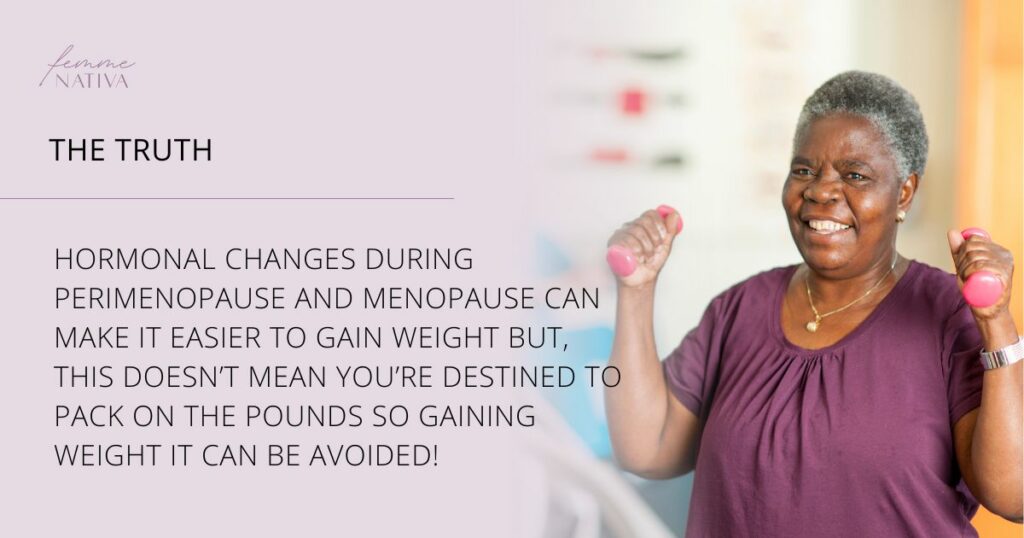
Yes, hormonal changes during perimenopause and menopause can make it easier to gain weight, particularly around your midsection, lower estrogen levels can slow down your metabolism and cause your body to store more fat. BUT, this doesn’t mean you’re destined to pack on the pounds, so gaining weight can be avoided!
WHAT YOU CAN DO
| Action | Why It Helps |
|---|---|
| Balanced Diet | Eating a diet rich in lean proteins, whole grains, fruits, and vegetables keeps your metabolism active and provides essential energy. |
| Regular Exercise | Combining cardio with strength training helps build muscle and boost your metabolism. Strength training is particularly effective for this. |
| Stay Active | Look for ways to stay active throughout the day, such as taking the stairs, going for walks, and enjoying activities you love. This keeps your energy up and supports overall fitness. |
MYTH 2: ONLY DIET OR EXERCISE ALONE IS ENOUGH
Another common misconception is that you only need to focus on either diet or exercise to manage your weight and health during menopause.
THE TRUTH
Both diet and exercise are important, and they work best when you do both. As your body changes during perimenopause and menopause, taking a well-rounded approach is the best way to feel your best.
| Why You Need Both | How They Help |
|---|---|
| Diet | A balanced diet gives your body the nutrients it needs to function well. It helps regulate hormones, supports metabolism, and keeps your energy up. |
| Exercise | Regular exercise helps maintain muscle mass (which burns more calories than fat), boosts your mood, improves heart health, and helps manage stress. |
MYTH 3: ALL FATS ARE BAD
Another common myth is that all fats are bad for you. For a long time, we’ve been told that fat is the enemy, but this isn’t true, especially when it comes to perimenopause and menopause and staying healthy.
THE TRUTH
As I mentioned earlier, not all fats are the same. While it’s important to cut back on unhealthy fats like trans fats and saturated fats, your body needs healthy fats to function properly, especially during menopause.
CONCLUSION
First and foremost, be kind to yourself. Your body is going through significant changes, and it’s important to embrace this journey with compassion. Celebrate the small victories and remember that every step you take towards a healthier lifestyle is a step in the right direction. :)
It’s always a good idea to consult with healthcare professionals like Complete Health primary care providers. Whether it’s your primary care doctor, a dietitian, or a personal trainer, they can provide personalized advice and support. Don’t hesitate to reach out if you have questions or concerns about your health.

SOURCES
- Perimenopause – https://my.clevelandclinic.org/health/diseases/21608-perimenopause
- Less Estrogen – https://www.mayoclinic.org/diseases-conditions/perimenopause/symptoms-causes/syc-20354666
- Most Women Begin Perimenopause in their 40s – https://www.franciscanhealth.org/community/blog/first-signs-of-perimenopause
- Menopause – https://www.nia.nih.gov/health/menopause/what-menopause
- Symptoms of Menopause – https://www.nhs.uk/conditions/menopause/symptoms/
- Emotional Challenges – https://www.webmd.com/menopause/emotional-roller-coaster
- Hot Flashes – https://www.mayoclinic.org/diseases-conditions/hot-flashes/symptoms-causes/syc-20352790
- Heart Disease – https://www.webmd.com/menopause/menopause-heart-disease
- Diabetes – https://diabetes.org/sex-and-diabetes/early-menopause-diabetes
- Cancer – https://www.cancer.gov/about-cancer/causes-prevention/risk/obesity/obesity-fact-sheet
- Women Who Maintain Healthy Weight – https://www.ncbi.nlm.nih.gov/books/NBK11795/
- Postmenopausal Women – https://doi.org/10.1161/CIR.0000000000000912
- Eating Well Can Help Manage Symptoms – https://www.nhs.uk/conditions/menopause/things-you-can-do/
- Women who eat nutrient-rich foods – https://www.ncbi.nlm.nih.gov/pmc/articles/PMC8308420/
- Balanced Diet is Necessary – https://www.ncbi.nlm.nih.gov/pmc/articles/PMC8308420/
- Hormonal Changes – https://www.nhs.uk/conditions/osteoporosis/causes/
- Cardiovascular Exercise – https://health.clevelandclinic.org/the-many-benefits-of-a-cardio-workout
- Portion Control – https://www.mayoclinic.org/healthy-lifestyle/weight-loss/in-depth/portion-control/art-20546800
- Crash Diets – https://www.goodrx.com/well-being/diet-nutrition/crash-diets
- Elevated Cortisol Levels – https://my.clevelandclinic.org/health/articles/22187-cortisol
- Managing Stress – https://www.apa.org/topics/stress/chronic
- Estrogen Level – https://www.ncbi.nlm.nih.gov/pmc/articles/PMC6491229/
- Fiber is Key for Digestion – https://www.cdc.gov/diabetes/healthy-eating/fiber-helps-diabetes.html
- Glucose Metabolism – https://www.sciencedirect.com/topics/biochemistry-genetics-and-molecular-biology/glucose-metabolism
- Healthy Fats – https://www.medicalnewstoday.com/articles/322295
- Estrogen Levels Drop During Menopause – https://my.clevelandclinic.org/health/body/22353-estrogen
- Staying Hydrated is Important – https://www.medicalnewstoday.com/articles/290814
- Processed Foods and Sugary Snacks – https://www.webmd.com/diet/what-to-know-about-sugar-and-depression
- Hormonal Changes During Perimenopause and Menopause – https://www.uchicagomedicine.org/forefront/womens-health-articles/2023/april/menopause-weight-gain-hormone-therapy
- Gaining Weight can be Avoided – https://www.mayoclinic.org/healthy-lifestyle/womens-health/in-depth/menopause-weight-gain/art-20046058
- Diet and Exercise are Important – https://www.ncbi.nlm.nih.gov/pmc/articles/PMC8828936/
- Trans fats – https://www.who.int/news-room/fact-sheets/detail/trans-fat
- Saturated fats – https://www.heart.org/en/healthy-living/healthy-eating/eat-smart/fats/saturated-fats
- Hormone Replacement Therapy (HRT) – https://www.nhs.uk/medicines/hormone-replacement-therapy-hrt/about-hormone-replacement-therapy-hrt/
- Estrogen – https://www.mayoclinic.org/diseases-conditions/menopause/in-depth/hormone-therapy/art-20046372
- Progestogen – https://www.ncbi.nlm.nih.gov/books/NBK563211
- Types of HRT – https://www.nhs.uk/medicines/hormone-replacement-therapy-hrt/types-of-hormone-replacement-therapy-hrt/





 It’s FREE