




Let’s be real—losing weight is hard work! Eating well and staying active are crucial, but these methods don’t always work for everyone. Weight loss isn’t a one-size-fits-all situation, and even people who eat well and exercise regularly can still struggle with weight gain or trouble losing weight.
In the day and age when obesity has become an epidemic (by 2035, the World Obesity Atlas predicts that over 51% of the global population will be considered obese), you might have heard about GLP-1 medications like Ozempic, Saxenda, and Mounjaro being used as a weight loss aid.
Before considering these medications, remember they are still medications and come with serious side effects and might not be suitable for everyone, NOT everyone will benefit from them so you should always consult a medical professional first :)
Now we’re here to share the facts—the pros and cons—so you can make an informed choice that’s right for you.
WHAT ARE MOUNJARO, OZEMPIC, SAXENDA, AND WEGOVY?
These medications are part of a group called GLP-1 agonists, and they work with appetite control and blood sugar regulation. They mimic a hormone released when we eat, which helps you feel fuller for longer by slowing down how quickly food leaves your stomach. This also increases leptin, a hormone that helps your brain recognize when you’re full, so you naturally end up eating less and craving fewer snacks.
They also make the body use glucose (sugar) more efficiently. When your body doesn’t have enough glucose, it starts burning fat for energy, which can lead to fat loss. These medications can also reduce the amount of sugar your liver produces, so there’s less sugar floating around in your bloodstream.
But of course, these aren’t magic pills, and these medications ARE NOT for everyone.

It’s also very important to mention that Ozempic has been FDA-approved and in use since 2017 in the treatment of people with type 2 diabetes, and the later designed weight loss medications like Mounjaro, Saxenda, and Wegovy have been FDA-approved for the treatment of obese patients. So, if you are a healthy person who is looking to lose 5-10 pounds, this approach is probably NOT for you :)
So, let’s find out in more detail about each of these medications and what the difference is between them:
MOUNJARO (TIRZEPATIDE)
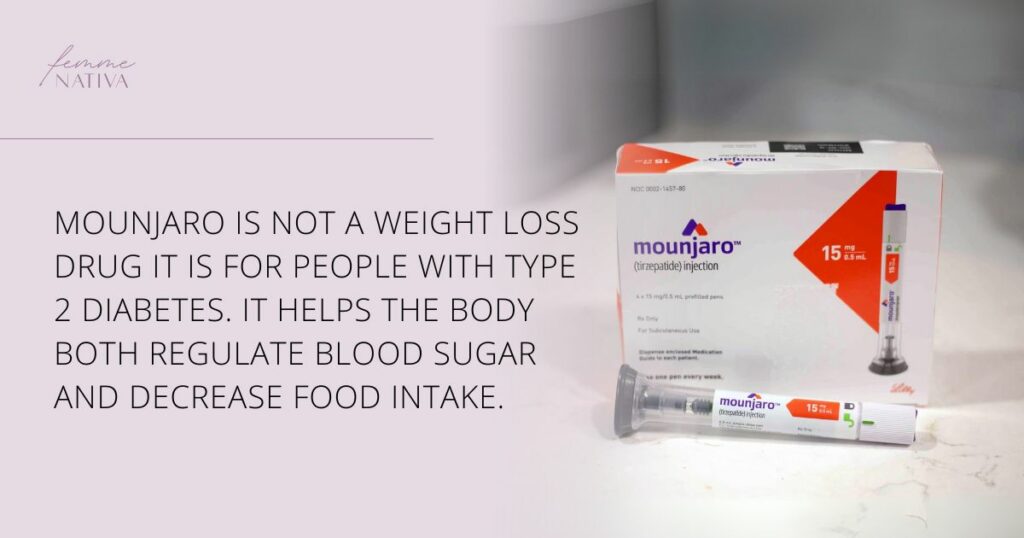
This medication is a new kid on the block, it was made to help people with type 2 diabetes and this is not a weight loss drug. Mounjaro helps manage blood sugar and reduces appetite, making a person feel fuller and less likely to snack.
HOW TO USE IT
Mounjaro is taken as a weekly injection. A person can start with a smaller dose and increase it gradually. This helps the body adjust without causing too many side effects.
PROS AND CONS OF MOUNJARO
| Pros | Cons |
|---|---|
| Helps control blood sugar and appetite | Not officially approved for weight loss |
| This can lead to significant weight loss | May cause nausea or diarrhea |
| Reduces cravings | Used off-label for weight loss |
| May help with heart health | Weekly injections required |
While Mounjaro is promising, it’s not officially approved for weight loss. It can help with appetite control and weight loss, but a person might experience some side effects like nausea or diarrhea. Plus, injections are every week.
OZEMPIC (SEMAGLUTIDE)
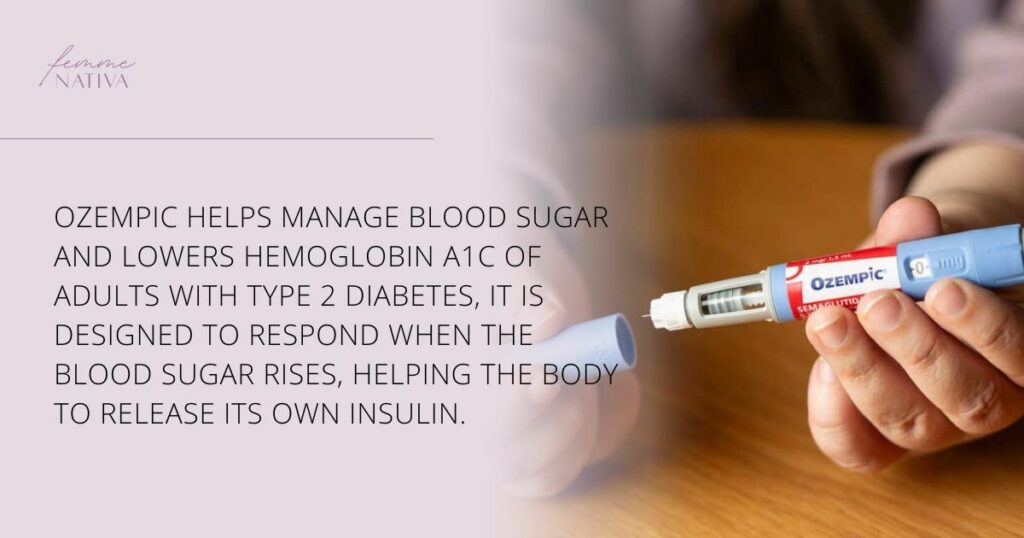
Ozempic is a popular option these days, but here’s the scoop, it was made to manage type 2 diabetes, and NOT for weight loss. It helps manage blood sugar and lowers hemoglobin A1C, it is designed to respond when the blood sugar rises, helping the body to release its own insulin.
HOW TO USE IT
Ozempic is taken as a weekly injection, starting with a low dose to ease into it. The dose can be increased based on how well a person can tolerate it.
PROS AND CONS OF OZEMPIC
| Pros | Cons |
|---|---|
| Manages blood sugar and reduces appetite | Not meant for people without diabetes |
| Weight loss can be a side effect for diabetics | Side effects like nausea and diarrhea |
| Helps control portion sizes and snacking | Risk of serious conditions like pancreatitis |
| Convenient weekly dosing | Expensive if not covered by insurance |
Ozempic is effective at helping people with diabetes lose weight, but it’s not recommended for people without diabetes. It can have side effects like nausea and might even cause serious conditions like pancreatitis. Plus, it can be pricey if it’s not covered by insurance.
SAXENDA (LIRAGLUTIDE)
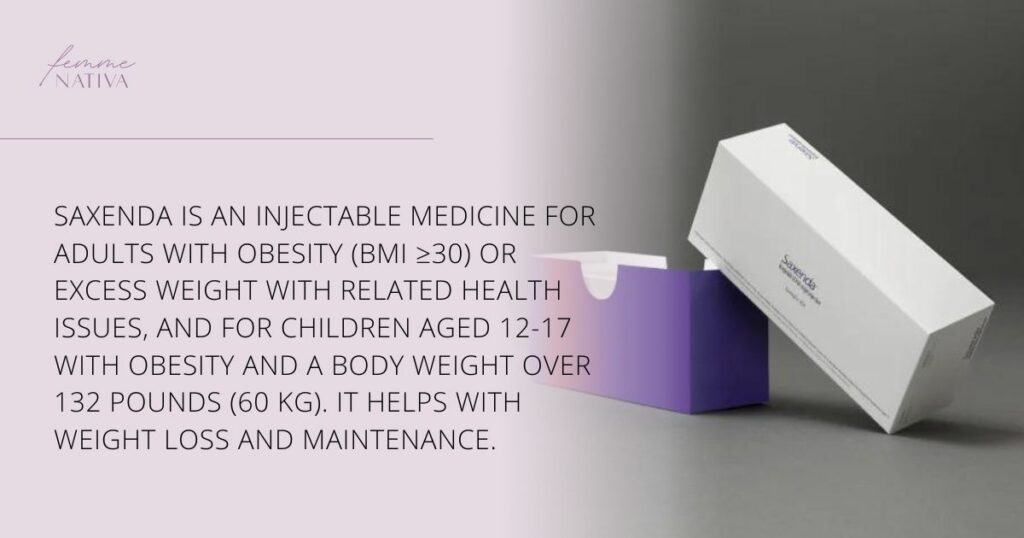
Saxenda is for weight management of adults and children aged 12-17 with obesity, and adults with excess weight and related health issues, so it’s important to remember that if you’re someone who with obesity this medication is NOT for you.
Just like the other GL-1 medications Saxenda also works by making a person feel fuller faster, so the result is eating less.
HOW TO USE IT
Saxenda is a daily injection. Starting with a small dose and gradually increasing it to reduce side effects like nausea.
PROS AND CONS OF SAXENDA
| Pros | Cons |
|---|---|
| Specifically for weight loss | Requires daily injections |
| Helps reduce hunger and calorie intake | Side effects like nausea and vomiting |
| Can be used as part of a long-term plan | May cause digestive discomfort initially |
| Effective even if a person doesn’t have diabetes | Can be expensive without insurance coverage |
Saxenda is a medication designed for weight management. Combined with proper, balanced nutrition and regular exercise, it helps reduce hunger and helps with satiety, but it does require daily injections and might cause some digestive issues at first. It can also be on the expensive side if insurance doesn’t cover it.
WEGOVY (SEMAGLUTIDE)
Wegovy is similar to Ozempic but is approved specifically for weight management of people with obesity. It uses the same ingredient as Ozempic but at a higher dose to target weight loss more directly.

HOW TO USE IT
Wegovy is a weekly injection as well, starting with a lower dose and increasing it over time to help reduce side effects.
PROS AND CONS OF WEGOVY
| Pros | Cons |
|---|---|
| Approved specifically for weight loss | Side effects like nausea and vomiting |
| Helps reduce appetite and manage portions | Requires weekly injections |
| Effective for long-term weight management | Digestive issues may occur initially |
| Convenient weekly dosing | Can be costly without insurance coverage |
Wegovy is designed for weight loss, so it’s a great option for people who need help with weight loss and long-term lifestyle changes. It helps with appetite and portion control, but like other GLP-1 agonists, it can cause side effects like nausea.
Remember that Ozempic, Mounjaro, Saxenda, and Wegovy can have serious side effects and might not be suitable for everyone. Some people I know who have used similar medications experienced trouble sleeping and constipation. Since sleep problems can be a significant issue, talk to your doctor about these side effects and how they might impact your daily life before considering these medications.
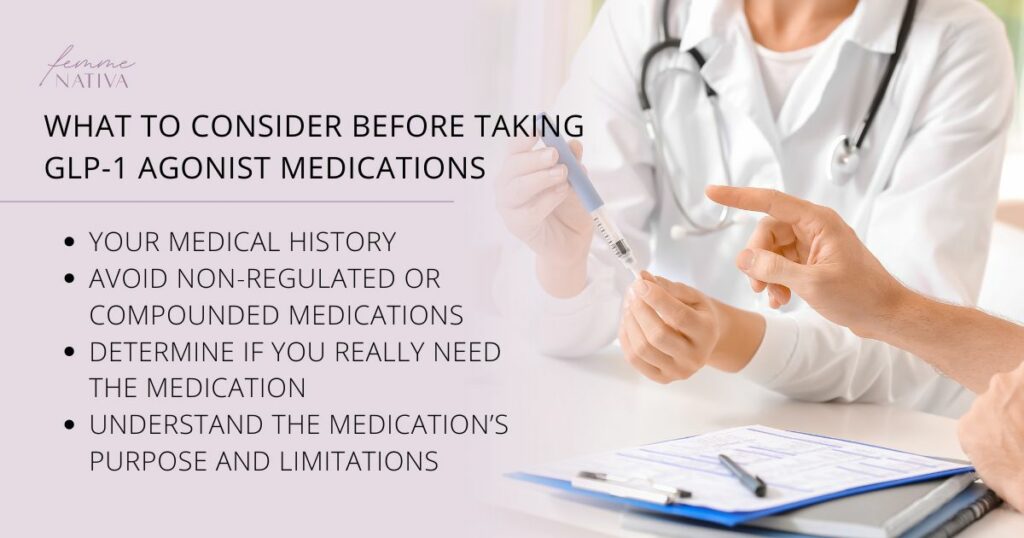
WHAT TO CONSIDER BEFORE TAKING GLP-1 AGONIST MEDICATIONS
When looking into GLP-1 agonist medications like Ozempic, Saxenda, Mounjaro, or Wegovy, it’s really important to think about a few key things to make sure you’re making a safe and smart choice.
YOUR MEDICAL HISTORY
When you consider GLP-1 agonist medications like Ozempic, Saxenda, Mounjaro, or Wegovy, make sure to evaluate your medical history. Not everyone can use these medications safely, and certain health conditions may pose risks.
- Ozempic: Ozempic may not be safe for people with pancreatitis, gallbladder disease, diabetic retinopathy, or kidney problems. If you are pregnant or planning to become pregnant, avoid taking Ozempic. Always consult your doctor to ensure it’s a safe option for you.
- Saxenda: Saxenda targets adults with a BMI over 30 or over 27 with weight-related conditions such as high blood pressure or diabetes. However, pregnant women, children under 18, and individuals over 75 should avoid it due to limited research on its safety for these groups.
- Mounjaro: You shouldn’t take Mounjaro if you have or had thyroid cancer or if you have a strong family history of thyroid cancer.
- Wegovy: Those who’ve had allergic reactions to similar medications should also avoid Wegovy.
- Individuals with a personal or family history of thyroid tumors, including medullary thyroid carcinoma or multiple endocrine neoplasia syndrome type 2 (MEN 2), should avoid taking Wegovy. Those who have experienced allergic reactions to similar medications should also steer clear of Wegovy.
AVOID NON-REGULATED OR COMPOUNDED MEDICATIONS
FDA-approved medications undergo thorough testing and earn our trust, but compounded or non-branded versions (like non-branded Semaglutide) carry their own set of risks. These alternatives may not follow the same strict regulations, which can lead to:
- Contamination: Without proper oversight, there’s a higher chance of contamination, which can lead to infections or other serious health issues.
- Incorrect Dosing: Compounded meds might not have the right amount of the active ingredient, making them either too weak to work or too strong, causing side effects.
For your peace of mind, always choose FDA-approved medications prescribed by a healthcare professional. They have undergone proper testing to ensure safety and effectiveness.
DETERMINE IF YOU REALLY NEED THE MEDICATION
GLP-1 medications target people with type 2 diabetes and those dealing with significant obesity. To determine if they suit you, consider the following:
- Assess Your Need: If you’re aiming to lose just a few pounds or don’t have diabetes, these medications might NOT be necessary.
- Consult Your Doctor: Discuss your weight loss goals and overall health with your healthcare provider. They can guide you on whether GLP-1 medications are suitable or if better options exist for your situation.
UNDERSTAND THE MEDICATION’S PURPOSE AND LIMITATIONS
GLP-1 medications can aid in weight loss, but they aren’t a magic solution and don’t suit everyone. They target specific individuals, such as those with type 2 diabetes, obesity, or other weight-related health issues. Here’s what you should keep in mind:
- Not a Quick Fix: Combine these medications with a healthy diet and regular exercise for the best results. Don’t rely on them alone.
- Long-Term Commitment: Be ready for ongoing use, including regular injections and potential side effects.
By considering these factors, you’ll make a more informed decision about whether GLP-1 medications are right for you. Always collaborate closely with your healthcare provider to find the safest and most effective way to manage your health and weight.
WHAT TO EAT WHILE ON OZEMPIC AND OTHER GLP-1 AGONIST MEDICATIONS
As I mentioned a while back, these are medications and have side effects, so despite Saxenda and Majaundro being weight loss medications, taking medications alone is NOT enough, you’ll also need to focus on eating a balanced diet and having an exercise routine.
Here’s a guide to making the most of your diet while on these medications:
HIGH-FIBER FOODS
Prioritize filling your plate with plenty of veggies, fruits (but be careful with grapefruit and grapefruit juice because they can affect how your body processes certain medications) whole grains, and legumes like beans and lentils.
These foods are packed with fiber, which is key for helping you stay fuller for longer and supporting healthy digestion. Fiber works by slowing down how quickly your stomach empties, which helps keep those hunger pangs in check and can prevent overeating. It’s an easy way to nourish your body while also managing cravings!
LEAN PROTEINS
Opt for protein-rich foods like chicken, turkey, fish, eggs, and beans. Lean proteins help you stay full and satisfied without adding too many calories. They’re great for maintaining muscle mass while losing weight, which is absolutely essential for anyone on their weight loss journey. Protein also has a higher thermic effect, meaning your body burns more calories digesting it.
RELATED POST: HOW MUCH PROTEIN DO YOU NEED TO LOSE WEIGHT AND BUILD LEAN MUSCLE?
HEALTHY FATS
Incorporate healthy fats from sources like avocados, nuts, seeds, and olive oil. These fats help manage hunger by keeping you full and satisfied. They also support overall health, including heart health. Healthy fats are more filling than refined carbs and can help control your appetite.
WHAT NOT TO EAT WHILE ON OZEMPIC AND OTHER GLP-1 AGONIST MEDICATIONS
To get the most out of your medication and avoid side effects, it’s important to steer clear of certain foods:
SUGARY FOODS
Avoid sweets, desserts, and sugary drinks. These foods can cause spikes in your blood sugar levels, making it harder for your medication to regulate your blood sugar and manage your appetite effectively. High sugar intake can also lead to cravings and disrupt your progress.
PROCESSED FOODS
Stay away from processed foods that contain unhealthy fats and refined carbs. These often have added sugars, sodium, and artificial ingredients that can slow down your weight loss and negatively impact your health. Processed foods can make you feel hungrier and less satisfied, which can sabotage your efforts.
ALCOHOL
Be cautious with alcohol. It can interfere with how your medication works and may cause side effects like nausea or upset stomach. Alcohol also adds empty calories and can lead to poor food choices, which can hinder your weight loss progress.
By focusing on the right foods and avoiding those that can interfere with your medication, you’ll support your weight loss journey and help your medication work more effectively.
RELATED POST: PROCESSED FOODS: HEALTH RISKS AND WHAT TO AVOID
WHAT’S THE BEST MEDICINE FOR WEIGHT LOSS?
Saxenda and Wegovy target weight management specifically, while Ozempic and Mounjaro help people with type 2 diabetes manage both blood sugar and weight. Remember, only a doctor should prescribe weight loss medications, and they work best as part of a broader treatment plan, including a healthy diet and exercise.
With the growing demand for these medications, concerns about shortages have been rising, which means patients with diabetes may struggle to access them. So, keep in mind that these meds aren’t for everyone.
For more details on these medications, check out this podcast where doctors answer tough questions about Ozempic and weight loss. It’s a fantastic resource that helped me understand this topic and I know will also help you too :)
EXERCISE STRATEGIES FOR MAINTAINING WEIGHT LOSS
Exercise is important for keeping off the pounds and boosting your overall health. Whether or not you’re thinking about using weight loss medications, it’s important to remember that the right exercise strategies can make a big difference to your well-being.
Here’s how to stay active and maintain your weight loss effectively :)
STARTING WITH LOW-IMPACT EXERCISES
For those with significant weight to lose, starting with low-impact exercises like walking or gentle swimming can ease your body into a fitness routine. These activities are easier on the joints and help build a foundation for more intense workouts.
INCORPORATING STRENGTH TRAINING
As you progress, adding strength training can be highly beneficial. Strength training helps build lean muscle, which boosts metabolism and contributes to a toned appearance. Aim to include strength exercises 2-3 times a week, focusing on all major muscle groups.
GRADUALLY INCREASING INTENSITY
Over time, gradually increasing the intensity of your workouts can further enhance weight loss and improve fitness levels. This might involve incorporating higher-intensity interval training (HIIT) or increasing the weight you lift during strength training sessions.
FINAL THOUGHTS
Weight loss medications like Ozempic, Saxenda, Mounjaro, and Wegovy can be helpful for certain individuals, but they’re not a quick fix and aren’t suitable for everyone. Each option has its own pros and cons, so discuss them with your doctor to decide if one of these treatments is right for you and which one suits you best.
Most importantly, be patient with yourself. Every step toward a healthier lifestyle is progress. Whether or not you choose medication, focus on your overall well-being. You’ve got this, and you’re not alone. Keep moving forward and celebrate your progress along the way!

SOURCES
- World Obesity Atlas – https://www.news-medical.net/news/20230302/Alarming-Projection-By-2035-more-than-half-of-the-global-population-will-be-obese.aspx
- GLP-1 Medications – https://www.mayoclinic.org/diseases-conditions/type-2-diabetes/expert-answers/byetta/faq-20057955
- Ozempic – https://www.webmd.com/drugs/2/drug-174491/ozempic-subcutaneous/details
- Saxenda – https://www.drugs.com/saxenda.html
- Mounjaro – https://www.diabetes.org.uk/guide-to-diabetes/managing-your-diabetes/treating-your-diabetes/tablets-and-medication/glp-1/mounjaro
- GLP-1 Agonists – https://www.guysandstthomas.nhs.uk/health-information/diabetes-medicines-glp-1-agonists
- Appetite Control and Blood Sugar Regulation – https://my.clevelandclinic.org/health/treatments/13901-glp-1-agonists
- Increases Leptin – https://www.nytimes.com/2023/08/17/health/weight-loss-drugs-obesity-ozempic-wegovy.html
- Help People with Type 2 Diabetes – https://mounjaro.lilly.com/
- Not a Weight Loss Drug – https://mounjaro.lilly.com/what-is-mounjaro
- Mounjaro Helps Manage Blood Sugar – https://phelpshealth.org/news/featured-stories/understanding-mounjaro-guide-type-2-diabetes-patients
- Mounjaro is Taken as a Weekly injection – https://www.goodrx.com/mounjaro/tips
- Not Officially Approved for Weight Loss – https://www.medicalnewstoday.com/articles/drugs-mounjaro-for-weight-loss
- Experience Some Side Effects Like Nausea or Diarrhea – https://www.medicalnewstoday.com/articles/drugs-mounjaro-side-effects#more-common-side-effects
- Made to Manage Type 2 Diabetes – https://www.forbes.com/health/weight-loss/ozempic-for-weight-loss/
- Helps Manage Blood Sugar – https://www.ozempic.com/why-ozempic/how-ozempic-works.html
- Ozempic is Taken as a Weekly Injection – https://health.ucdavis.edu/blog/cultivating-health/ozempic-for-weight-loss-does-it-work-and-what-do-experts-recommend/2023/07
- Saxenda is Designed for Weight Management – https://www.saxenda.com/
- Saxenda Works by Making a Person Feel Fuller – https://www.medsafe.govt.nz/consumers/cmi/s/saxenda.pdf
- Saxenda is a Daily Injection – https://www.saxenda.com/support-and-resources/faqs.html
- Helps Reduce Hunger – https://www.medicalnewstoday.com/articles/drugs-saxenda
- Wegovy is Pretty Similar to Ozempic – https://ro.co/weight-loss/wegovy-vs-ozempic/
- Wegovy is Taken as a Weekly injection – https://www.wegovy.com/taking-wegovy/dosing-schedule.html
- Appetite and Portion Control – https://www.medicalnewstoday.com/articles/drugs-wegovy-for-weight-loss#how-wegovy-works
- Not be Safe for People with Pancreatitis – https://www.ozempic.com/important-safety-information.html
- If You are Pregnant Avoid Taking Ozempic – https://www.goodrx.com/ozempic/ozempic-and-pregnancy
- Pregnant women, Children under 18, and Individuals Over 75 – https://www.medsafe.govt.nz/consumers/cmi/s/saxenda.pdf
- Thyroid cancer – https://www.webmd.com/obesity/mounjaro-side-effects
- Individuals with a personal – https://www.buzzrx.com/blog/who-should-not-take-wegovy
- Medullary Thyroid Carcinoma – https://www.buzzrx.com/blog/who-should-not-take-wegovy
- Multiple Endocrine Neoplasia Syndrome Type 2 – https://www.mayoclinic.org/diseases-conditions/men-2/symptoms-causes/syc-20540486
- Compounded or Non-Branded Versions – https://www.goodrx.com/classes/glp-1-agonists/compounded-semaglutide
- Focus on Eating a Balanced Diet – https://www.webmd.com/obesity/news/20240208/weight-loss-drugs-should-be-taken-with-diet-exercise
- Concerns about Shortages Have Been Rising – https://www.reuters.com/business/healthcare-pharmaceuticals/novo-nordisks-ozempic-shortage-expected-continue-into-q4-2024-09-02/







 It’s FREE