



I don’t get this question as much as how to lose inner thigh fat or slim down muscular thighs, but every now and then, I get asked to provide safe exercise alternatives for back and knee problems.
I know how frustrating it can be to stay active when your body is giving you a hard time. Trust me, I’ve been there. But don’t worry, we’re in this together :)
In this blog post, I’ll be sharing with you safe alternative exercises for back and knee problems. But as always, if you have any of these issues, please check with your doctor before doing any of these exrecises.
WHAT ARE THE CAUSES OF BACK PAIN FOR WOMEN?
Back pain is a big deal for a lot of women and it can really mess up their day-to-day. Figuring out what usually causes it can make a real difference. Figuring out the root cause will helps us know how to treat it and keep it from coming back. So, here’s why we ladies often get back pain, especially as we get older.
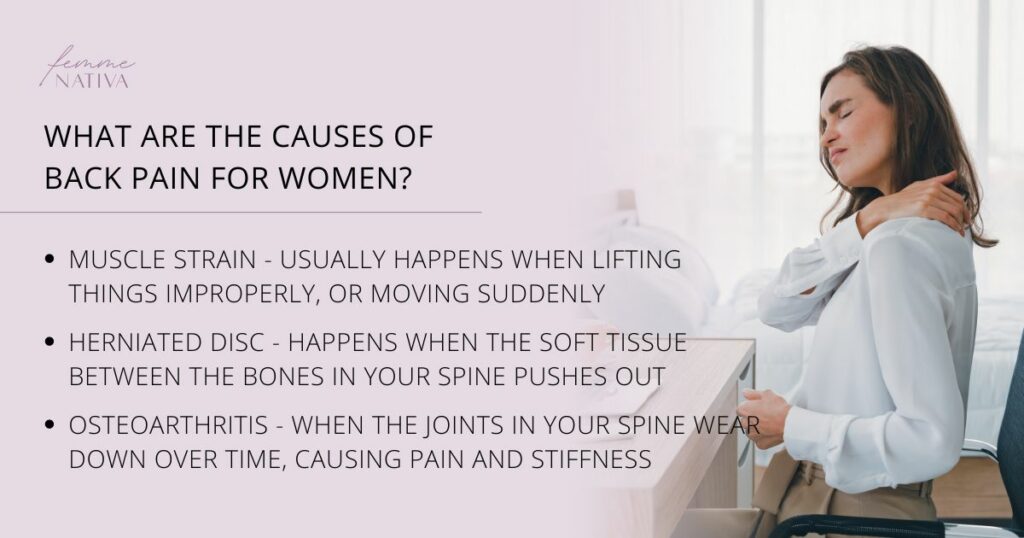
MUSCLE STRAIN
Muscle strain is super common and usually happens when we lift things improperly or move suddenly. It can leave you feeling sore, stiff, and sometimes even crampy.
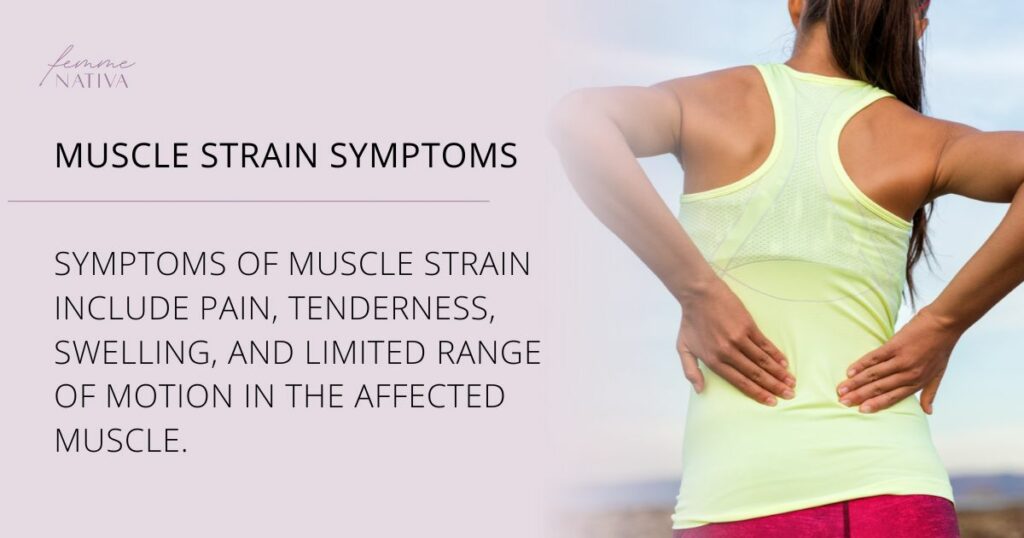
Symptoms of muscle strain include pain, tenderness, swelling, and limited range of motion in the affected muscle. Everyday activities like grabbing groceries, bending to scoop up your kid, or twisting during a workout can strain your muscles. To avoid it, practising good posture and lifting things with care can make a big difference :)
HERNIATED DISC
A herniated disc happens when the soft tissue between the bones in your spine pushes out. It can happen if you lift something too heavy, make a sudden move, or just because we’re getting older—our backs aren’t as limber as they used to be.
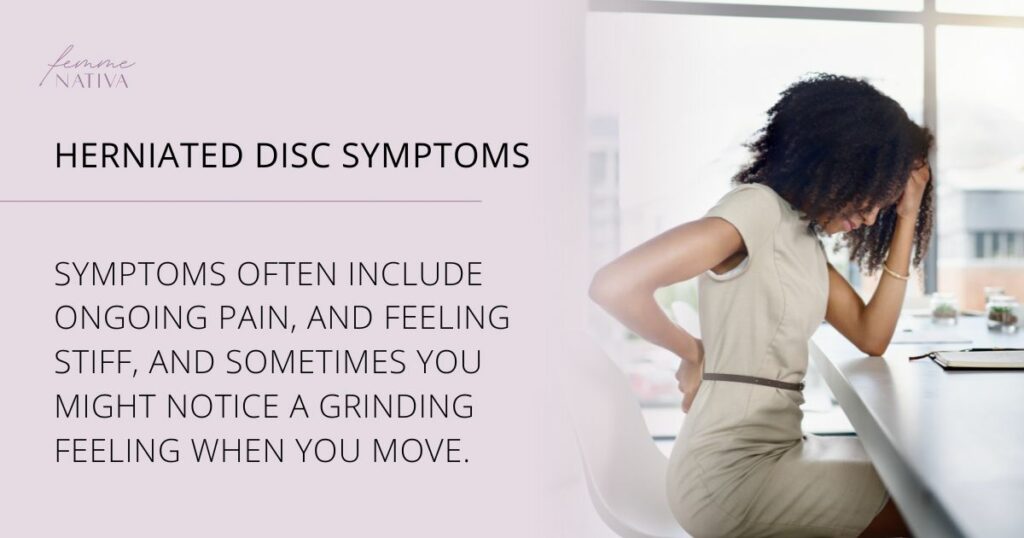
Symptoms usually include sharp pain, and sometimes your leg might feel numb or tingly, like pins and needles. It often comes from lifting heavy stuff or doing intense sports. As we age, those spinal discs lose some of their flexibility, so they’re more likely to tear or pop out.
OSTEOARTHRITIS
Osteoarthritis is when the joints in your spine wear down over time, causing pain and stiffness. It’s a joint problem that gets worse over time, making it harder to move around like you used to. Women tend to get it more, especially after menopause, because of changes in hormones.
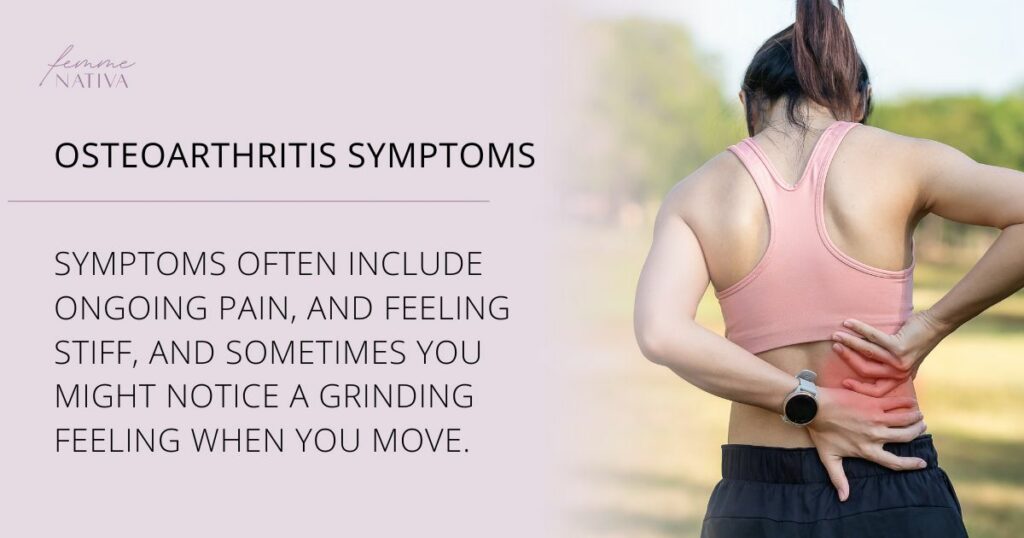
Symptoms often include ongoing pain, and feeling stiff, and sometimes you might notice a grinding feeling when you move. It’s one of those things that can really slow you down if you’re not careful.
WHAT ARE ALTERNATIVE EXERCISES FOR BACK PROBLEMS?
When it comes to dealing with back pain, finding the right exercises can be a game-changer for how you feel and move. So, let’s talk about some gentle alternatives that can help without putting extra strain on your back.
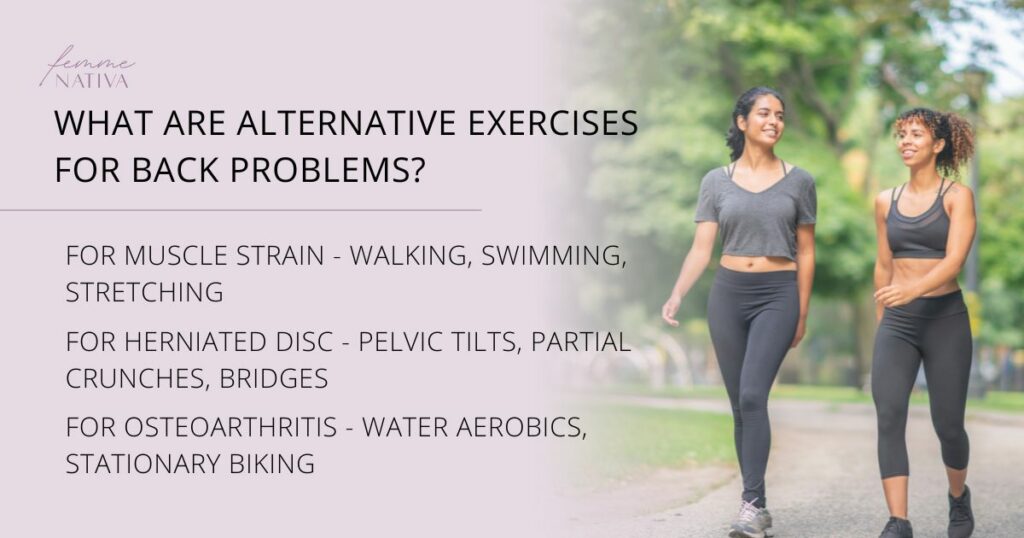
FOR MUSCLE STRAIN
WALKING
Never underestimate the power of a good walk. From my own experience, taking easy walks on flat ground has been a lifesaver for managing back pain. It keeps me moving without putting too much stress on my back, helps improve circulation, eases stiffness, and even supports the healing process. Instead of going for long walks that might strain you, I find that shorter, more frequent walks throughout the day work wonders.
And let me tell you, investing in good shoes is key. They provide the support I need and cushion the impact on my back, making each step more comfortable and less taxing on my body. So, lace up those comfy shoes and take a stroll—it’s not just good for your back, but also a fantastic way to burn fat and tone those legs.
As you all know walking is truly one of my favorite exercises because it doesn’t feel like an exercise to me—I genuinely enjoy it, and it’s an effective way to stay active and healthy.
RELATED POST: WHY YOU NEED WALKING FOR SLIMMER LEGS
SWIMMING
Swimming is a great full-body workout that’s gentle on your back because the water supports your body weight. It strengthens your muscles without risking injury. Plus, swimming improves your heart health and overall fitness.
STRETCHING
Doing gentle stretches like the Cat-Cow pose can release tension and increase your flexibility. Stretching helps maintain your range of motion and loosens up tight muscles. Make stretching a regular part of your day to keep your back muscles flexible. Focus on stretches that target your lower back, hamstrings, and hips.
FOR HERNIATED DISC
PELVIC TILTS
Pelvic tilts are great for strengthening your belly muscles and supporting your spine. Here’s how to do Pelvic tilts, lie on your back with your knees bent and feet flat on the floor. Tighten your belly muscles and press your lower back into the floor. Hold for a few seconds, then relax. Repeat a few times.
These tilts really help stabilize your spine and can reduce pain. So, whenever your back needs some extra care, give pelvic tilts a try—they’re easy to do and can make a big difference!
PARTIAL CRUNCHES
Lie on your back with your knees bent and feet flat on the floor. Cross your arms over your chest, then lift your shoulders off the floor while keeping your lower back pressed down.
Partial crunches exercise targets your abdominal muscles, especially the deeper core muscles. Strengthening these muscles provides support for your spine and helps improve posture. It also enhances overall stability, which can reduce the strain on your lower back during daily activities like lifting and bending.
RELATED POST: BEST STRETCHES TO IMPROVE YOUR POSTURE
BRIDGES
Lie on your back with your knees bent and feet flat on the floor. Lift your hips toward the ceiling while squeezing your buttocks and keeping your back straight. This movement engages your glutes (buttock muscles) and lower back muscles. By strengthening these muscles, bridges help stabilize your spine and improve your posture.
They also promote better alignment of the pelvis, which can alleviate pressure on the lower back and reduce discomfort. Incorporating bridges into your routine can enhance your overall strength and flexibility, making it easier to perform daily tasks without aggravating your back.
FOR OSTEOARTHRITIS
WATER AEROBICS
Water aerobics is a low-impact way to strengthen muscles and improve flexibility. The water’s buoyancy reduces stress on your joints, making it perfect for osteoarthritis. It also boosts your heart health and keeps you social if you join a class.
STATIONARY BIKING
Biking indoors gives you a good cardio workout without straining your back or knees. Start with short sessions and adjust the bike to a comfortable height. As you get stronger, you can bike longer to boost circulation and leg strength.
WHAT ARE COMMON KNEE PROBLEMS FOR WOMEN?
Knee problems and pain can be a real hassle, especially as we’re growing older. It can make everyday activities challenging and limit our ability to stay active.
Let’s break down the common knee pain problems women face and explore their causes to better manage and prevent them.
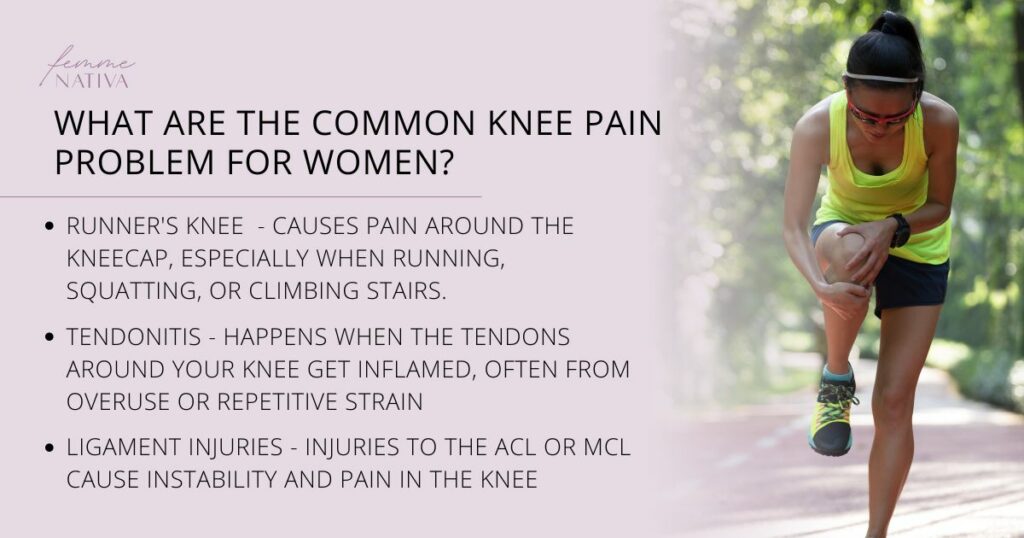
RUNNER’S KNEE
A runner’s knee causes pain around the kneecap, especially when running, squatting, or climbing stairs. It’s usually due to the kneecap being out of alignment or from overuse.
If you’re active in sports or do a lot of repetitive knee movements, you might be familiar with this pain. It can make sticking to your exercise routine tough and even impact simple tasks like walking or getting up from a chair.
TENDONITIS
Tendonitis happens when the tendons around your knee get inflamed, often from overuse or repetitive strain. If you engage in activities that involve a lot of jumping or sudden direction changes, like basketball or tennis, you might experience this.
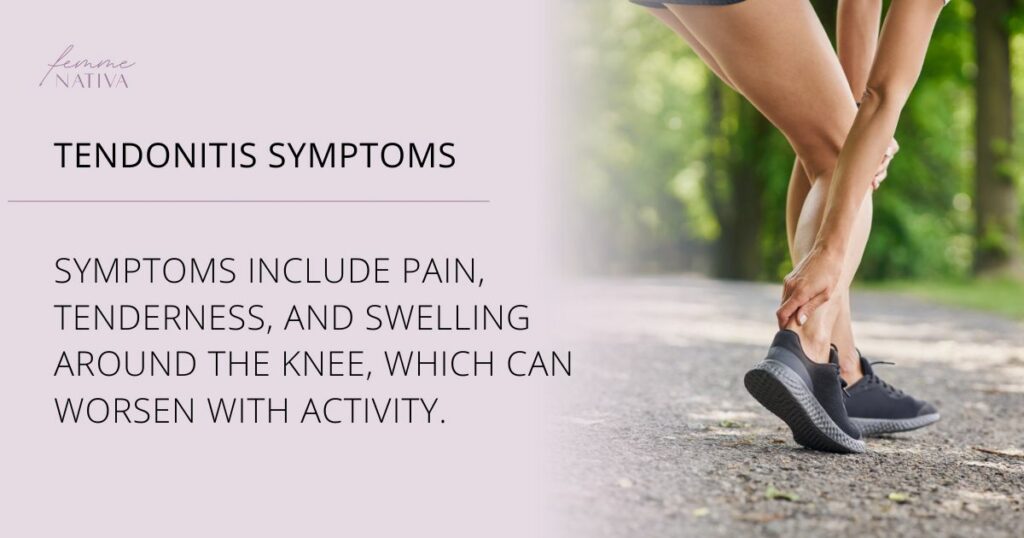
Symptoms include pain, tenderness, and swelling around the knee, which can worsen with activity. Warming up properly, stretching, and strengthening exercises can help keep tendonitis at bay.
LIGAMENT INJURIES
When the ACL (Anterior Cruciate Ligament) or MCL (Medial Collateral Ligament) is injured, it can lead to instability and pain in the knee. These ligaments play an important role in supporting the knee joint and preventing excessive movements that could cause injury. These injuries often result from sports or activities involving sudden stops, twists, or impacts.
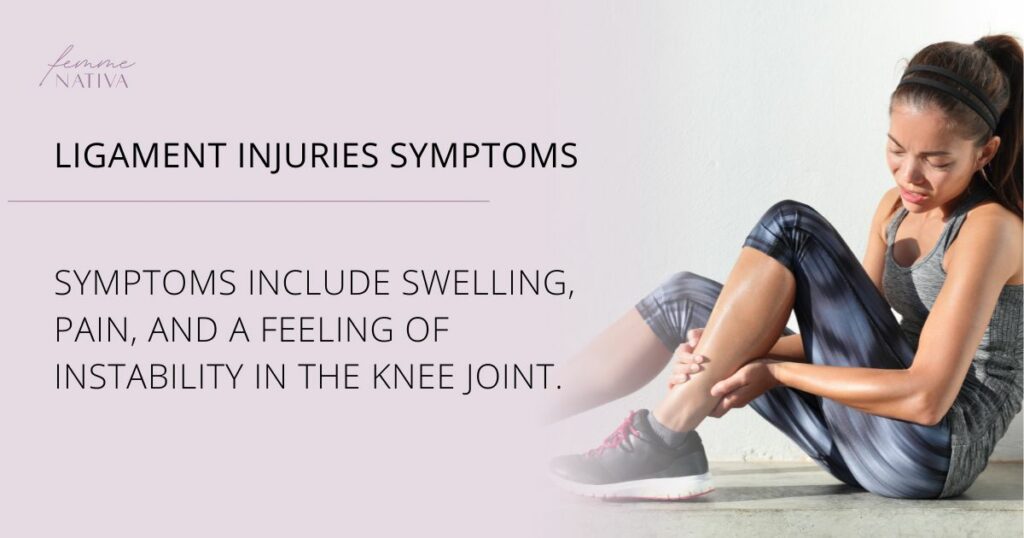
Symptoms include swelling, pain, and a feeling of instability in the knee joint. Ligament injuries can be severe and may require extensive rehab or even surgery.
WHAT ARE EXERCISE ALTERNATIVES FOR KNEE PAIN?
When knee pain strikes, it can be frustrating to figure out how to stay active without making things worse. Here are some exercise alternatives for different knee pain conditions to help you stay fit and pain-free
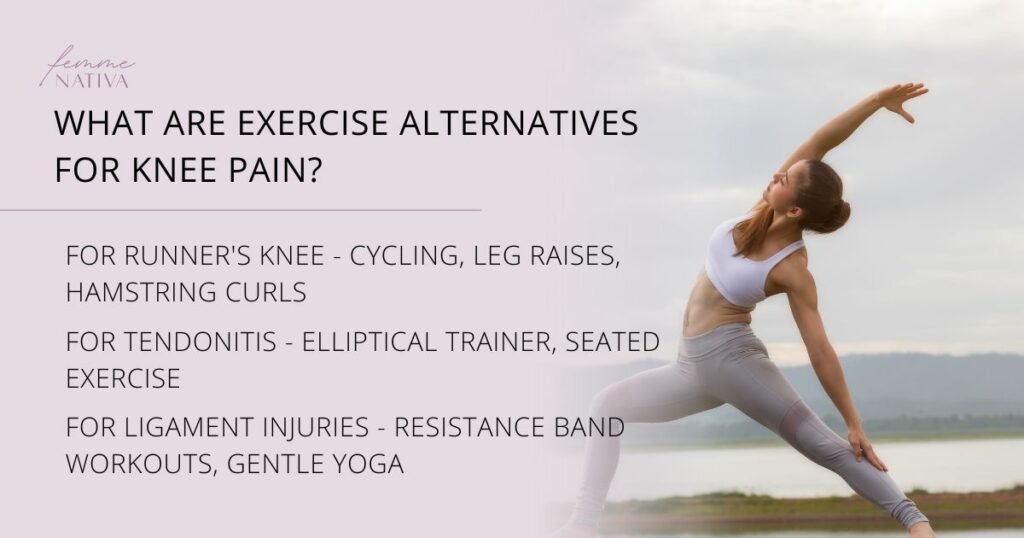
FOR RUNNER’S KNEE
CYCLING
Cycling can be a great low-impact exercise that’s easier on your knees compared to activities like running however, it’s important to note that not all forms of cycling are the same. Different cycling styles can affect your knees in various ways, so choosing the type that suits your condition is essential. Make sure to adjust the bike to a comfortable height and maintain good form to prevent knee strain. While cycling is generally safer, listen to your body and adjust as needed.
LEG RAISES
These strengthen your quadriceps without bending the knee, which helps support the knee joint. Lie on your back with one leg bent and the other straight. Lift the straight leg slowly and lower it back down, repeating for several sets.
You can also try this knee-friendly, low-impact standing HIIT workout that is suitable for all fitness levels!
HAMSTRING CURLS
Hamstring curls target the muscles at the back of your thigh, providing better knee support and stability. Use a resistance band or machine to perform this exercise, focusing on controlled movements.
FOR TENDONITIS
ELLIPTICAL TRAINER
Elliptical trainer offers low-impact cardio that supports knee health and maintains fitness. The smooth gliding motion minimizes joint stress while providing an effective cardiovascular workout.
SEATED EXERCISE
To strengthen your legs without putting strain on your knees, try seated leg lifts or extensions using ankle weights or resistance bands. These exercises are perfect if you have knee pain because they target your leg muscles without stressing your joints.
FOR LIGAMENT INJURIES
RESISTANCE BAND WORKOUTS
Engage leg muscles without stressing the knees, helping to rebuild strength and stability. Perform exercises like side leg lifts or clamshells with a resistance band around your thighs.
You can try my favourite inner and outer thigh workout using a resistance band!
GENTLE YOGA
Gentle yoga is a fantastic way to enhance flexibility and aid in recovery, easing you back into your regular activities. Focus on poses that are gentle on the knees, like Cat-Cow, Child’s Pose, and seated forward bends.
These poses help stretch and strengthen muscles without putting undue pressure on your joints, making them ideal for anyone recovering from knee issues or looking to prevent them. Practising gentle yoga regularly can also improve overall flexibility and reduce stiffness, helping you feel more comfortable and mobile in your daily life.
HOW TO LOSE WEIGHT WITH BACK AND KNEE PAIN?
Losing weight with back and knee pain means finding exercises that don’t put extra stress on your joints. It’s all about balancing low-impact activities with a healthy diet to help you shed pounds without aggravating your pain. Here are some tips to help you slim down while looking after your back and knees: :)
GENTLE CARDIO
When it comes to staying fit without overdoing it, low-impact exercises like power walking, swimming, water aerobics, or riding a stationary bike are my top picks. These workouts get your heart pumping without stressing your back or knees.
As someone who’s tried every training style, I know firsthand the importance of workouts that keep you feeling good without wearing you out. Starting slow and gradually ramping up your intensity and duration as you get stronger is key.
STRENGTH MOVES
When aiming for lean, toned muscles without stressing your joints, go for smart exercises like leg lifts, and resistance band workouts. These exercises are perfect because they build strength without putting too much pressure on your joints. Plus, building lean muscle helps boost your metabolism, making weight loss more efficient.
And don’t forget about light weightlifting—it can really sculpt and define your muscles when done with proper form and guidance. It’s all about building that lean, strong physique smartly!
HEALTHY EATING
Eating right is key, and that means loading up on veggies, fruits, lean proteins, and whole grains. I like to keep it balanced with my 80:20 rule—mostly wholesome stuff with a bit of room for treats. Watch those portion sizes and skip the processed stuff and sugary drinks. Instead, go for foods packed with nutrients like leafy greens, berries, nuts, and lean meats.
Oh, and don’t forget to hydrate—drink plenty of water to keep everything running smoothly and help with weight loss. Keeping it wholesome and tasty!
MINDFULNESS AND STRESS REDUCTION
Stress can lead to weight gain and make managing pain harder. Practice mindfulness through meditation, deep breathing, or gentle yoga to keep stress levels in check. Managing stress can improve your mental health and help you stay committed to your weight loss plan.
CONSISTENCY IS KEY
The key to losing weight with back and knee pain is staying consistent. Find activities you enjoy and make them a regular part of your routine. Whether it’s daily walks, weekly swim sessions, or stretching every morning, consistency will help you stay on track.
WRAPPING UP
Finding safe exercise alternatives when you have back or knee problems can be challenging, but it’s definitely possible. The key is to listen to your body and choose low-impact activities that still provide a good workout. Walking, swimming, cycling, yoga, and gentle strength training are all excellent options. Remember, it’s important to stay active, but it’s EQUALLY important to do so in a way that doesn’t cause more harm :)
I hope you found this post helpful! Remember, the fitness journey is personal and unique to each of us. Find what works best for you and enjoy the process. Stay active, stay healthy, and most importantly, stay safe!
Love Rachael xx

SOURCES
- Muscle Strain is Super Common- https://my.clevelandclinic.org/health/diseases/22336-muscle-strains
- Symptoms of Muscle Strain – https://www.mayoclinic.org/diseases-conditions/muscle-strains/symptoms-causes/syc-20450507
- Herniated Disc- https://www.medicalnewstoday.com/articles/191979
- Osteoarthritis – https://www.mayoclinic.org/diseases-conditions/osteoarthritis/symptoms-causes/syc-20351925
- Swimming is a Great Full-Body Workout – https://www.webmd.com/fitness-exercise/a-z/swimming-for-fitness
- Cat-Cow Pose – https://www.mayoclinic.org/healthy-lifestyle/stress-management/multimedia/cat-cow-pose/vid-20453581
- Here’s How to do Pelvic Tilts – https://www.verywellhealth.com/pelvic-tilt-exercise-for-your-lower-back-296802
- Abdominal Muscle – https://my.clevelandclinic.org/health/body/21755-abdominal-muscles
- Water Aerobics – https://www.webmd.com/fitness-exercise/a-z/water-aerobics
- Biking Indoors – https://www.webmd.com/fitness-exercise/a-z/biking-workout
- Runner’s Knee Causes Pain around the Kneecap – https://www.mayoclinic.org/diseases-conditions/patellofemoral-pain-syndrome/symptoms-causes/syc-20350792
- Tendonitis – https://my.clevelandclinic.org/health/diseases/17324-patellar-tendonitis
- Cycling Can be a Great Low-Impact Exercise – https://academic.oup.com/ptj/article/87/9/1243/2742447
- ACL (Anterior Cruciate Ligament) or MCL (Medial Collateral Ligament) – https://advancedorthoandspine.com/orthopaedics/whats-the-difference-between-acl-mcl-tears/
- Quadriceps – https://www.ncbi.nlm.nih.gov/books/NBK513334/
- Hamstring Curls – https://www.mayoclinic.org/healthy-lifestyle/fitness/multimedia/seated-hamstring-curl/vid-20084685
- Cat-Cow – https://www.everydayyoga.com/blogs/guides/how-to-do-cat-cow-pose-in-yoga
- Child’s Pose – https://www.mayoclinic.org/healthy-lifestyle/stress-management/multimedia/childs-pose/vid-20453580
- Seated Forward Bends – https://www.everydayyoga.com/blogs/guides/how-to-do-seated-forward-fold-in-yoga



 It’s FREE